Essential Food Prep Tools & Equipment for Restaurants
The difference between a chaotic kitchen and a smooth-running one often comes down to what happens before the first order ticket prints. An efficient prep line is a thing of beauty, where every ingredient is perfectly portioned, every station is organized, and the team moves with confidence. This level of harmony isn't an accident; it's the direct result of having the right systems in place. At the heart of that system are the food preparation tools and equipment for restaurants that you choose. They are the instruments that turn raw ingredients into consistent, high-quality components, saving valuable time and reducing stress during a busy service. This article will help you identify the core pieces you need to build a kitchen that runs like a well-oiled machine. Ensuring your team is set up for success every single day.
Key Takeaways
- Start with your menu, not a shopping list: Finalizing your menu is the most critical first step. It tells you exactly what tools you need to execute your vision, preventing you from spending money on equipment that won't serve your kitchen.
- Look at long-term value, not just the price tag: The cheapest equipment can cost you more over time in repairs and downtime. Investing in durable, high-quality tools is an investment in your kitchen's reliability and efficiency.
- Create a strategic purchasing plan: How and where you buy matters. Seeing equipment in person helps you confirm quality, while considering multi-use items and planning for future growth ensures you make a smart investment.
What Food Prep Tools Does Your Kitchen Need?
Efficient food prep is the foundation of a smooth-running kitchen. Before the heat is on and the orders start flying, having the right tools organized and ready to go makes all the difference. These fundamental items streamline your workflow, ensure consistency in your dishes, and create a safer environment for your team. Whether you're outfitting a new restaurant or upgrading your home kitchen, starting with these core prep tools will set you up for success. They are the unsung heroes that handle the chopping, mixing, and measuring that turn raw ingredients into culinary creations. Investing in quality prep tools isn't just about having the right equipment; it's about building a system that supports creativity and reduces stress. When everything has its place and every tool does its job well, you can focus on what truly matters: making delicious food.
Knives and Cutting Tools
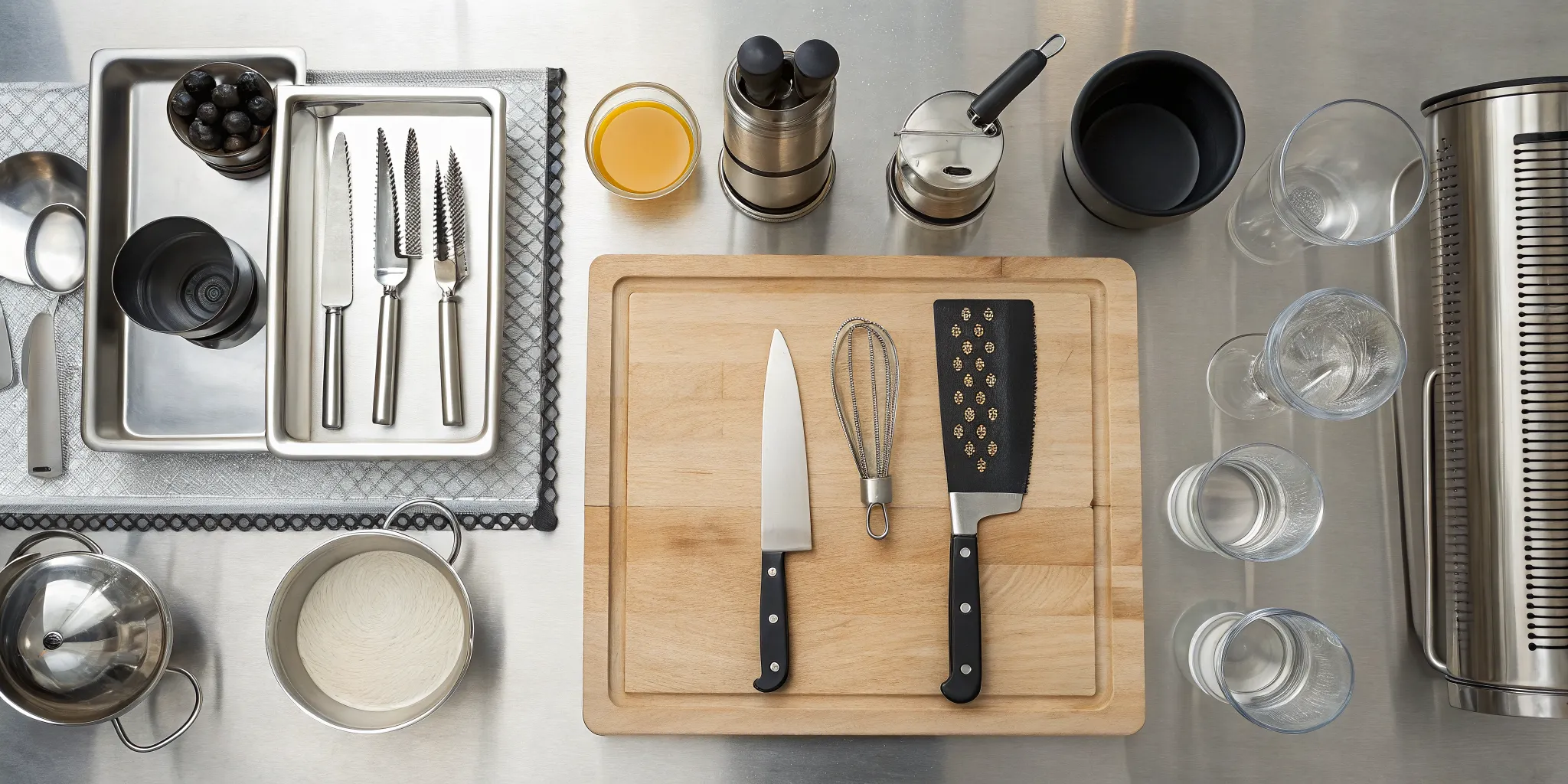
A sharp, reliable knife is a chef's most important tool. Think of it as an extension of your hand. A dull knife is not only frustrating to use, but it's also a safety hazard because it can slip and cause injury. Your essential lineup should include a versatile chef's knife for all-around chopping. A serrated knife for slicing bread and tomatoes, and a paring knife for smaller, more detailed tasks. Investing in quality knives and keeping them in top condition is one of the best things you can do for your kitchen's efficiency. Regular maintenance ensures they perform well and last for years, so it's wise to take advantage of our professional knife sharpening service.
Color-Coded Cutting Boards
Food safety should always be a top priority, and color-coded cutting boards are a simple yet effective way to prevent cross-contamination. By assigning specific colors to different food types, you create a clear visual system that everyone in the kitchen can follow. The standard system usually involves red for raw meat, yellow for raw poultry, blue for seafood, green for fruits and vegetables, and white for dairy or ready-to-eat foods. Using this method drastically reduces the risk of transferring harmful bacteria between ingredients. It's a professional standard that is just as smart to adopt in a home kitchen, especially when preparing meals for a crowd.
Measuring Tools and Scales
Consistency is key to creating dishes that customers and family will love time and time again. That's where accurate measuring tools come in. A complete set of measuring cups and spoons is non-negotiable for following recipes correctly. For even greater precision, especially in baking, a digital kitchen scale is a must-have. It allows you to measure ingredients by weight instead of volume, which guarantees perfect results every time. Scales are also invaluable for portion control, helping you manage food costs and deliver consistent serving sizes. You can find a great selection of these essentials in our baking supplies section.
Mixing Bowls and Prep Containers
An organized prep station is a happy prep station. Having a variety of mixing bowls and prep containers is essential for practicing good mise en place. The culinary process of gathering and arranging your ingredients before you start cooking. Stainless steel bowls are a durable, non-reactive choice perfect for mixing just about anything. A collection of different-sized storage containers with secure lids helps you keep prepped ingredients fresh and organized. This simple step of prepping everything in advance makes the actual cooking process feel less chaotic and much more enjoyable. Explore our wide range of products to find the bowls and containers that fit your kitchen's needs.
Essential Smallwares for Food Prep
Beyond the big-ticket items like ovens and mixers, a well-stocked kitchen truly relies on its collection of smallwares. These are the everyday heroes of food prep, the tools your team reaches for constantly to chop, mix, measure, and store ingredients. Having the right food prep tools on hand is not just about convenience; it's about creating a workflow that is efficient, safe, and consistent. Think about it: without the right ladles, tongs, and cutting boards, even the most skilled chef would struggle to keep up during a busy service.
From basic utensils to specialized slicers, these items are the foundation of every dish that leaves your kitchen. Investing in quality smallwares ensures your prep line runs smoothly, reduces food waste, and helps your staff perform at their best. When your team has easy access to the proper tools, they can work with greater precision and confidence. This not only improves the final product but also contributes to a safer, more organized kitchen environment. Think of them as the small but mighty essentials that make a huge difference in your daily operations, turning a chaotic prep session into a streamlined process.
Hand Tools and Utensils
Every professional kitchen needs a robust collection of hand tools. These are the workhorses for countless daily tasks, from flipping burgers to plating delicate desserts. Your inventory should include a variety of spatulas (rubber, offset, fish), whisks, ladles, tongs, and serving spoons. Having a wide array of quality kitchen hand tools allows your staff to grab the right instrument for the job without delay. Which directly improves the speed and quality of your food preparation. Don't forget essentials like peelers and kitchen shears, as they are used constantly. Equipping your team properly means they can work more effectively and produce consistent results day in and day out.
Mandoline Slicers and Graters
For tasks that require precision and speed, mandoline slicers and graters are indispensable. A mandoline creates perfectly uniform slices of vegetables and fruits in a fraction of the time it would take to do by hand. Ensuring consistency in everything from salads to garnishes. Similarly, a set of sturdy box graters and microplanes makes quick work of shredding cheese, zesting citrus, and grating spices. These specialty tools are essential for efficient food preparation, saving valuable labor and helping you maintain high standards for presentation. While they require careful handling and safety training, the efficiency they bring to the prep line is undeniable.
Strainers, Colanders, and Sieves
Strainers, colanders, and sieves are crucial for a variety of kitchen tasks, from washing produce to creating smooth sauces. Colanders are perfect for draining pasta or rinsing large batches of vegetables. Finer mesh strainers are essential for removing solids from stocks and broths, while sieves are used for sifting dry ingredients like flour to create lighter baked goods. Keeping these tools clean and in good condition is a key part of running an efficient kitchen. Proper use and maintenance of these simple items contribute to overall food quality and kitchen hygiene, ensuring your final dishes are free of unwanted textures or impurities.
Food Storage Containers
Proper food storage is non-negotiable for food safety and inventory management. A solid system of commercial-grade food storage containers helps you keep ingredients fresh, organized, and safe from cross-contamination. It's smart to use different types of storage containers for different foods. Such as dedicated bins for dry goods, airtight containers for prepped vegetables, and proofing boxes for dough. Most importantly, don't forget to label everything. A simple roll of masking tape and a marker are your best friends for tracking dates and contents. Which is essential for following food safety protocols and minimizing waste. This simple habit ensures your walk-in stays organized and compliant.
Digital Thermometers
A reliable digital thermometer is one of the most critical tools for ensuring food safety and quality. From checking the temperature of incoming meat deliveries to verifying that chicken is cooked to a safe internal temperature, thermometers are vital for preventing foodborne illness. They are also essential for consistency in your recipes, helping you achieve the perfect temperature for tempering chocolate or proofing yeast. Instant-read digital thermometers provide quick and accurate readings, removing any guesswork. Regular temperature checks are a cornerstone of any HACCP plan and a requirement for passing health inspections, making this small tool a major player in your kitchen's success.
What Large Equipment Does a Restaurant Kitchen Need?
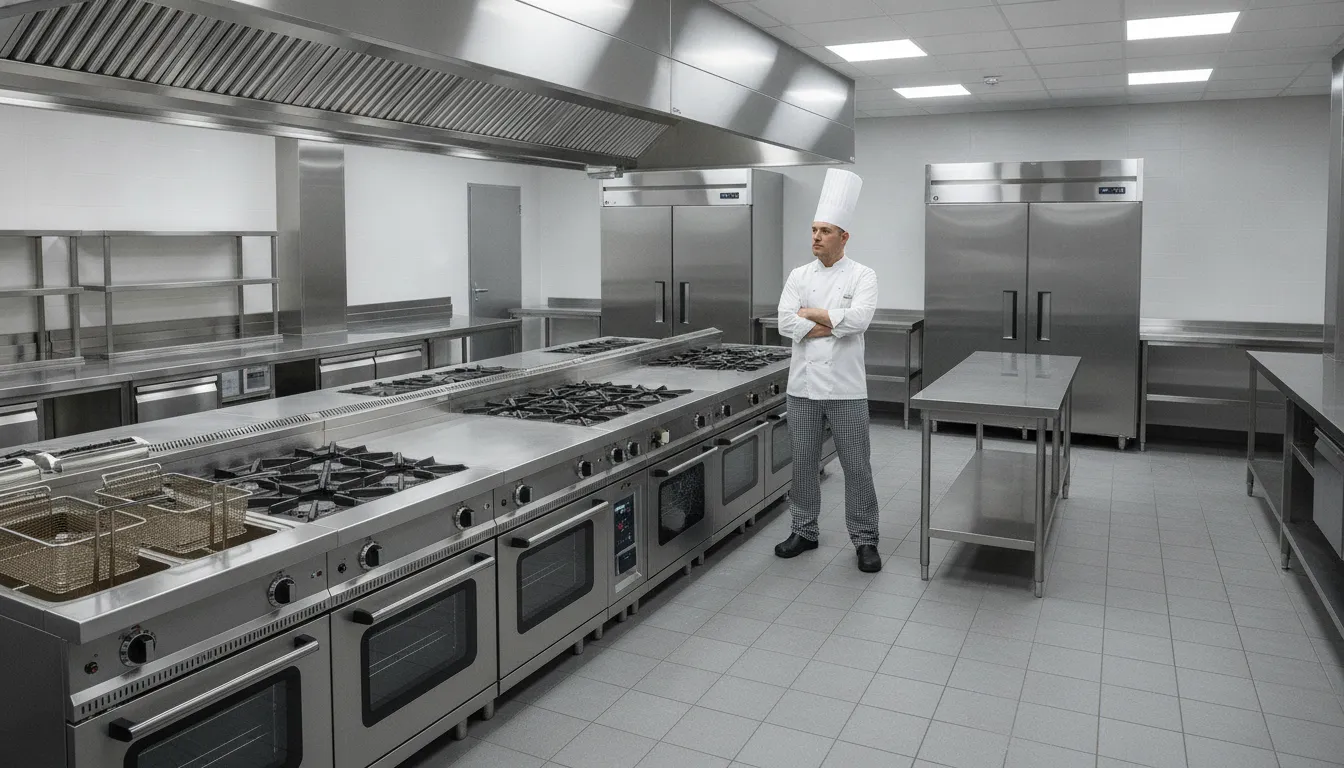
Beyond the small hand tools, your kitchen's large equipment forms the foundation of your entire operation. These are the workhorses that handle high-volume tasks, saving you precious time and labor costs. Think of them as long-term investments that directly impact your kitchen's efficiency, consistency, and capacity. Choosing the right pieces of commercial cooking equipment depends heavily on your menu, the size of your space, and your projected output. From powerful mixers to spacious refrigerators, each piece plays a critical role in bringing your culinary vision to life.
Commercial Food Processors and Blenders
A commercial food processor is a true multi-tasker, essential for chopping, shredding, puréeing, and emulsifying ingredients in large quantities. Unlike their residential counterparts, these machines are built with powerful motors and durable blades designed to withstand the demands of a professional kitchen. They make quick work of preparing sauces, soups, salsas, and dips.
Similarly, a high-performance commercial blender is non-negotiable for creating silky-smooth soups, dressings, and beverages. When selecting one, look for variable speed controls and a sturdy base. These features give you the precision needed for delicate emulsions and the power required for breaking down tough ingredients, ensuring your final product is always perfectly consistent.
Commercial Mixers
If your menu includes any type of baking, from bread to pastries, a commercial stand mixer is an absolute must. These powerful machines are designed to handle heavy doughs and large batches that would overwhelm a standard mixer. When choosing one, consider its capacity, which is often measured in quarts. You should also look at the variety of available attachments, like dough hooks, flat beaters, and wire whips, to ensure it can handle all your recipes. Ease of cleaning is another important factor, so look for models with removable bowls and guards.
Slicers and Meat Grinders
For delis, sandwich shops, or any restaurant that serves a lot of meat and cheese, a commercial slicer is a game-changer. It delivers perfectly uniform slices every time, which is key for consistent portion control and beautiful presentation. A quality slicer not only speeds up prep but also reduces food waste. If you plan to make your own sausages, burgers, or custom meat blends. A commercial meat grinder gives you complete control over the texture and quality of your ground products. These tools are central to many commercial kitchens and food service operations for their ability to improve both speed and quality.
Prep Tables and Work Surfaces
You can never have too much counter space in a kitchen. Stainless steel prep tables are the industry standard for a reason: they are incredibly durable, non-porous, and easy to clean and sanitize, which is crucial for preventing cross-contamination. When planning your kitchen, think about how your team will move through the space and place tables strategically to create an efficient workflow. Having enough dedicated work surfaces ensures your prep line stays organized and uncluttered, even during the busiest service. Our kitchen design team can help you map out the perfect layout for your space.
Refrigeration and Storage Solutions
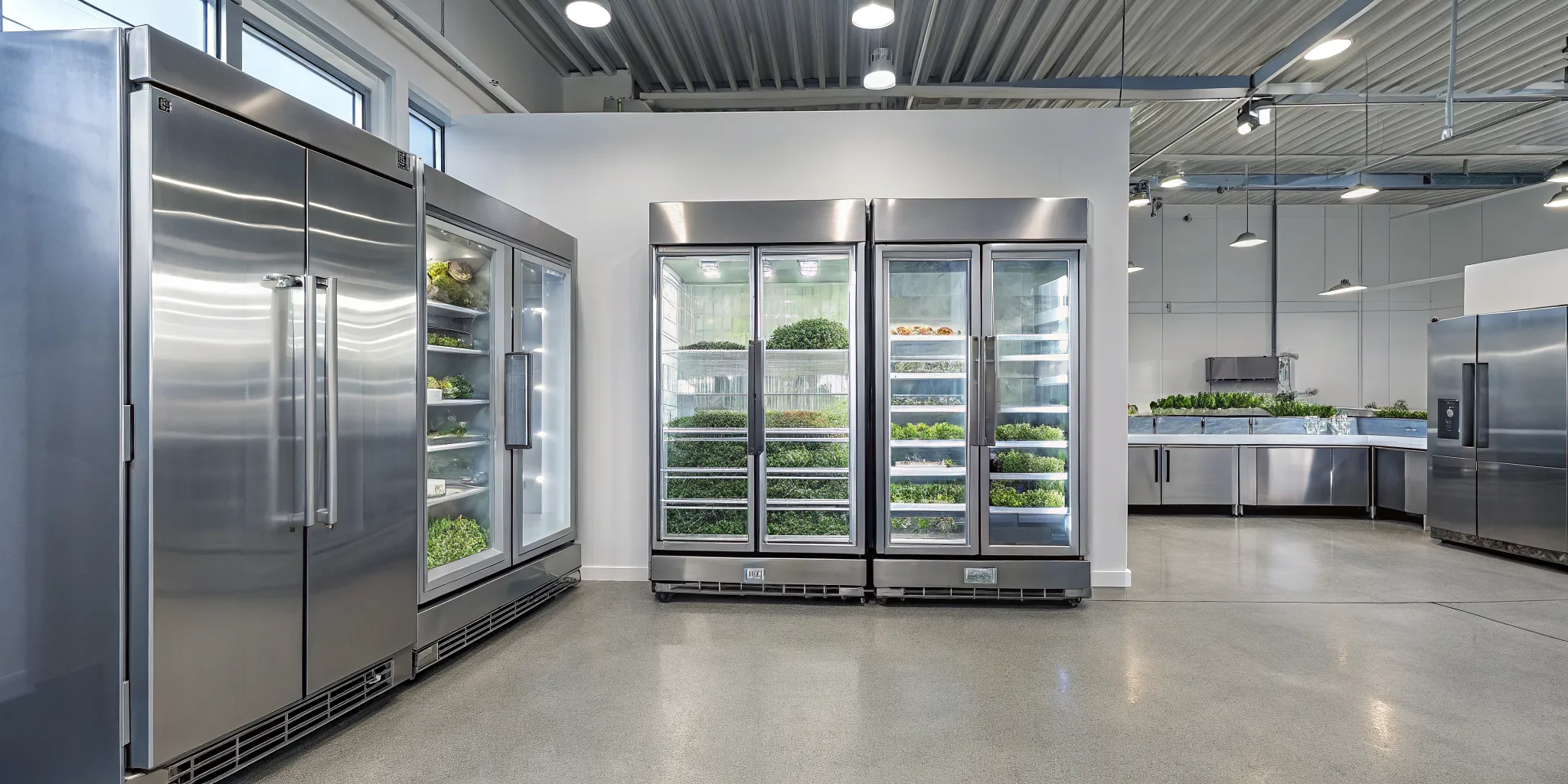
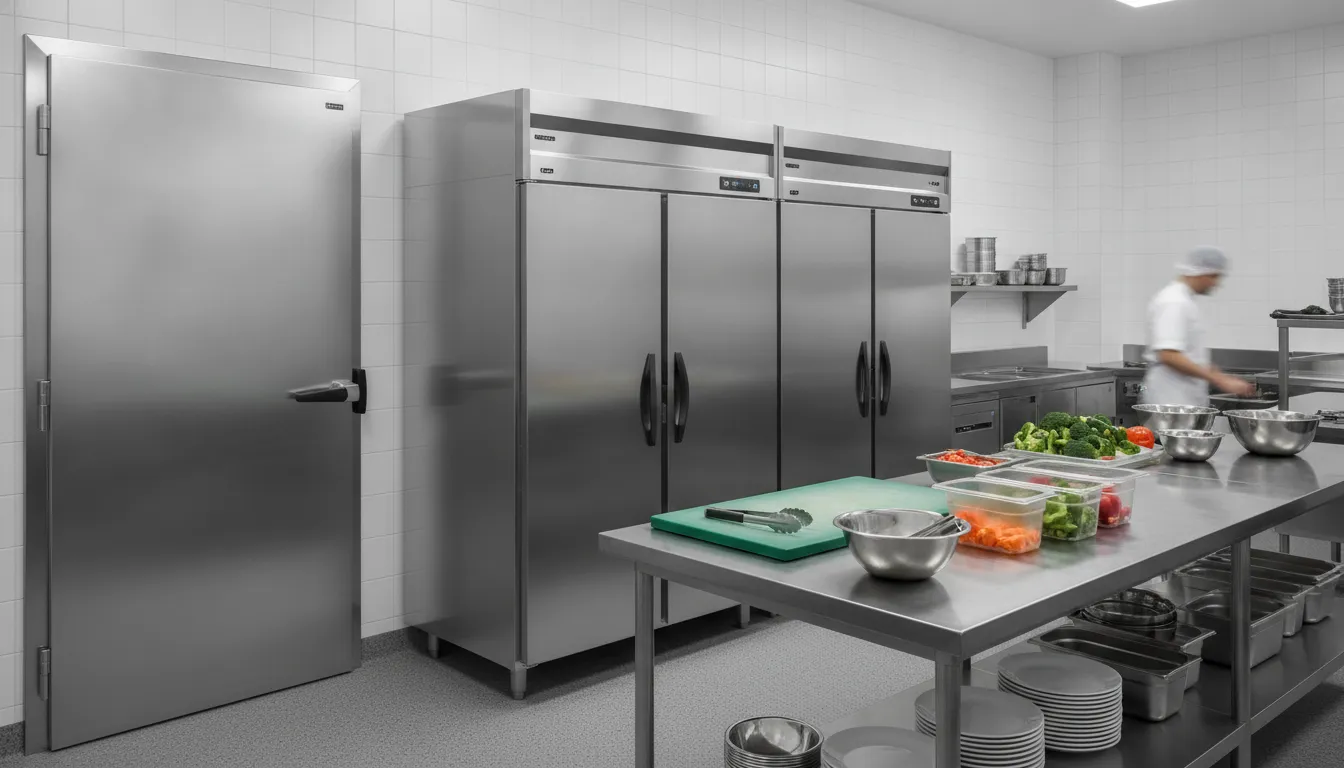
Proper refrigeration is the cornerstone of food safety and inventory management. Your needs will likely include a mix of walk-in coolers for bulk storage and reach-in refrigerators or freezers placed strategically along the line for easy access during service. When setting up your refrigeration, ensure shelves are organized to keep raw and cooked foods separate. It's also vital to check that doors seal tightly to maintain a consistent, safe temperature. Investing in reliable refrigeration and storage solutions protects your inventory, prevents spoilage, and keeps your kitchen compliant with health codes.
Why the Right Tools Matter and How to Choose Food Prep Equipment
Outfitting your kitchen is about more than just filling space; it's a strategic decision that directly impacts your daily operations, profitability, and reputation. The right equipment acts as the backbone of your kitchen, supporting your team and ensuring every dish that leaves the pass meets your standards. Investing in professional-grade tools isn't a cost, it's an investment in your restaurant's efficiency and long-term success. From the speed of your service to the safety of your guests, the equipment you choose plays a critical role. When you prioritize quality and function, you create a kitchen environment that is built for performance, consistency, and safety from the ground up.
Improve Speed and Consistency
In a busy kitchen, every second counts. The right tools are your best allies for a smooth and efficient service. A powerful commercial food processor can chop vegetables in seconds, a task that would take minutes by hand. A properly calibrated digital scale ensures every portion is identical. Which helps you control food costs and gives customers a consistent experience every time they order their favorite dish. Making these strategic decisions about your commercial kitchen equipment affects your restaurant's overall efficiency and profitability. When your team has reliable, high-performance tools, they can work faster and with greater accuracy, reducing ticket times and keeping the line moving even during the busiest rush.
Reduce Cross-Contamination Risks
Food safety is non-negotiable, and your equipment is your first line of defense against cross-contamination. Using dedicated tools for different food types is one of the simplest and most effective safety protocols you can implement. This is why you see color-coded cutting boards and knife handles in professional kitchens: one color for raw poultry, another for fresh produce, and so on. This system provides a clear visual cue that helps prevent dangerous pathogens from transferring between ingredients. Ensuring each piece of equipment serves a clear purpose is fundamental to both food quality and safety. By organizing your smallwares and prep tools with safety in mind, you create a system that protects your customers and your business.
Stay Health Code Compliant
Passing a health inspection with flying colors starts long before the inspector walks through the door. It starts with the equipment you choose. Commercial-grade equipment is specifically designed to meet health and safety standards, often featuring stainless steel construction and NSF certification, which means it's built for easy and effective cleaning. Accurate digital thermometers are essential for monitoring and logging food temperatures to prevent the growth of bacteria. Our team can even help with kitchen design and renovations to ensure your layout and equipment choices support a compliant and efficient workflow from day one.
Define Your Menu First
Before you even think about browsing for a new mixer or oven, you need to have your menu finalized. This is the single most important step. The food you plan to serve dictates every piece of equipment you'll need. A steakhouse requires high-temperature grills and broilers, while a bakery needs commercial mixers and proofing cabinets. One of the biggest mistakes new owners make is buying equipment before they know exactly what they'll be cooking. Once your menu is set, you can create a detailed list of the commercial equipment required to produce each item consistently and efficiently. This menu-first approach saves you from costly purchasing errors and ensures your kitchen is built for success from day one.
Consider Your Kitchen's Size and Layout
Your physical space is a major factor in your equipment decisions. Take precise measurements of your kitchen, paying close attention to doorways, ceiling height, and the placement of utility connections. Think about your kitchen's workflow. Where will prep, cooking, and cleaning happen? Your equipment layout should support a logical and efficient flow of work to prevent bottlenecks during busy services. If your space is limited, look for compact or multi-functional appliances that can perform several tasks. Our team offers professional kitchen design services to help you create a layout that maximizes your available space and streamlines your entire operation, ensuring a safe and productive environment for your staff.
Prioritize Durability and Easy Cleaning
In a commercial kitchen, equipment has to withstand constant, heavy use. While a lower-priced item might seem tempting, investing in high-quality, durable equipment will pay off in the long run. Look for tools made from materials like stainless steel, which is resistant to rust and easy to sanitize. Also, check for NSF certification to ensure the equipment meets public health standards. Pieces that are easy to disassemble and clean will save you countless hours in labor and help you maintain a spotless, health-code-compliant kitchen. Think of it as an investment not just in a machine, but in the longevity and reputation of your business.
Evaluate Capacity and Versatility
Make sure every piece of equipment you choose serves a clear purpose and is the right size for your operation. A giant mixer might be impressive, but it's impractical and inefficient for a small café that only needs to make small batches of dough. Conversely, an undersized food processor will slow your team down if they have to run multiple batches for a single recipe. Consider the versatility of each item as well. Can a single piece of equipment, like an immersion blender or a combination oven, handle multiple tasks? Choosing multi-use smallwares and equipment can save valuable counter space and reduce your initial investment, making your kitchen more adaptable.
Balance Budget with Long-Term Value
While staying on budget is crucial, making decisions based on price alone can be a costly mistake. The cheapest option isn't always the best value. When evaluating a piece of equipment, consider its total cost of ownership. This includes the initial purchase price plus ongoing expenses like energy consumption, maintenance, and potential repair costs. A more expensive, energy-efficient model could save you hundreds of dollars on utility bills over its lifetime. We believe in providing professional-grade tools at competitive prices, and our Chef+ Rewards program helps you get even more value from every purchase, so you don't have to choose between quality and affordability.
Check for Warranty and Service Options
Imagine your main refrigerator breaking down in the middle of a Friday night dinner rush. A solid warranty and reliable service plan can be a lifesaver in situations like this. Before you buy, always ask about the warranty coverage and what the service process looks like. Is there a local technician who can help you quickly, or will you have to ship the equipment out for repairs? Buying from a trusted, local supplier means you have a partner you can count on when things go wrong. As a long-standing part of the Rochester community, we stand behind the products we sell and are here to support you long after your purchase.
Mistakes to Avoid When Buying Kitchen Equipment
Outfitting your kitchen is a huge investment, and it's easy to get overwhelmed by the sheer number of choices. Making the right decisions from the start saves you money, time, and a lot of headaches down the road. Let's walk through some of the most common mistakes so you can feel confident in every purchase you make for your kitchen.
Not Prioritizing Your Purchases
When you're excited to get started, it's tempting to want everything at once. But without a clear plan, you can quickly blow your budget on items that aren't critical to your daily operations. Before you buy a single piece of equipment, make a list of your absolute must-haves. These are the tools that are fundamental to your menu and service. By prioritizing your purchases, you ensure your money goes where it matters most first. You can always add specialty items later, but starting with a solid foundation of essential equipment is the key to a successful launch and a healthy budget.
Choosing Price Over Quality
We all love a good deal, but the answer isn't always the cheapest machine or the most premium brand. The smart move is to look for good, reliable options at a range of price and quality levels that fit your specific menu and volume. That's where our brand portfolio shines. Because we carry a broad lineup of trusted manufacturers, we can match you with durable, workhorse commercial equipment that performs reliably without forcing you to overspend. We're experts at working around your budget, weighing long-term value against upfront cost so you get the most dependable option for your kitchen within your means.
Forgetting About Future Growth
The equipment that fits your needs on day one might not be sufficient a year from now. A common mistake is buying for the business you have now, without considering the business you want to build. Before you invest, think about your long-term goals. Do you plan to expand your menu, increase your volume, or open another location? Choosing equipment that can scale with you is a smart move. This might mean investing in a slightly larger mixer or a range with more burners. Our kitchen design services can help you plan a layout that not only works for today but also supports your vision for tomorrow.
Overlooking Multi-Use Equipment
In any commercial kitchen, space is a premium. Filling it with single-task appliances can lead to a cramped and inefficient workflow. Instead, look for versatile, multi-use equipment that can handle several jobs. A high-quality combi oven, for example, can steam, roast, and bake, replacing multiple other machines. A food processor with different blade attachments can chop, slice, and purée. Choosing multi-functional appliances not only saves valuable counter and floor space but also streamlines your kitchen processes, making your team more efficient. It's a simple way to get more value and function out of every square foot.
Skipping an In-Person Look
Shopping for equipment online is convenient, but photos and spec sheets don't tell the whole story. Nothing replaces seeing and touching a piece of equipment in person. You can assess the build quality, feel the sturdiness of the knobs and doors, and get a true sense of its size and footprint. Visiting a supplier allows you to ask questions and compare different models side-by-side. We always encourage customers to stop by our retail location in Rochester. This hands-on approach helps you avoid surprises with installation or finding out that a machine isn't quite what you expected. Ensuring you make a purchase you'll be happy with for years.
Where to Buy Your Kitchen Equipment
Once you have your list of needs, the next big question is where to get everything. Buying new equipment is an exciting sign of growth, but a few common missteps can turn that excitement into a headache. The right purchasing strategy involves knowing where to look, understanding the value of new versus used items, and finding ways to make your budget stretch further. Let's walk through the best places to source your gear.
Restaurant Supply Stores vs. Online Retailers
The biggest choice you'll make is between a local restaurant supply store and a big online retailer. While online shopping offers endless options, nothing beats seeing equipment in person. Visiting a local store like ours lets you touch and feel the products, check their construction, and confirm the size is right for your space. You also get immediate access to expert advice from people who understand the demands of a commercial kitchen. This hands-on approach helps you buy with confidence and avoid the hassle of returning a bulky item that wasn't what you expected. Online retailers simply can't replicate that personalized service or peace of mind.
New vs. Used Equipment
The new-versus-used debate is a big one for any restaurant owner. Used equipment can seem like a great deal upfront, but it often comes with hidden risks like a shorter lifespan and no warranty. New equipment, on the other hand, gives you reliability, the latest energy-efficient technology, and peace of mind with a manufacturer's warranty. If your budget requires you to consider secondhand gear, focus on simple items without complex moving parts, like stainless steel prep tables or sinks. For core operational pieces like refrigerators or ovens, investing in new commercial equipment is almost always the smarter long-term decision for your business.
Look for Rewards Programs and Bulk Deals
Many restaurant owners miss opportunities to get better prices because they don't ask what's available. While it's important to invest in quality, there's often room to save, especially when making significant purchases for a new kitchen or a big renovation. Building a relationship with a local supplier can open the door to bulk discounts and special offers. It's also worth seeing if your supplier has a loyalty program. For example, our Chef+ Rewards program is designed to give back to our customers with points on every purchase. These programs are a simple way to make your budget go further without compromising on quality.
Related Articles
- Commercial Food Prep Equipment
- Pro Kitchen Prep & Food Storage Supplies
- Smallwares & Kitchen Supplies
- Commercial Food Storage, Tables & Sinks
- Cookware in Rochester, NY
Frequently Asked Questions
I'm opening a new restaurant and feel overwhelmed. What's the absolute first step I should take when buying equipment? Take a deep breath and focus on your menu. Before you look at a single piece of equipment, you need to have your menu finalized. Your menu is the blueprint that dictates every tool you'll need to prep, cook, and store your food. This menu-first approach ensures you only buy what is essential to your operation and helps you avoid costly purchasing mistakes.
I'm a home cook, not a professional chef. Can I still shop at a restaurant supply store? Absolutely. Many home chefs and bakers shop with us because they want tools that are built to last. Professional-grade items like heavy-duty mixing bowls, sharp knives, and durable sheet pans perform better and withstand constant use far longer than most consumer-grade products. You don't need a membership to shop at our store, so you can get the same quality equipment the pros use for your own kitchen.
Is it ever a good idea to buy used kitchen equipment to save money? It can be tempting, but you have to be very careful. Used equipment often comes without a warranty and may have hidden mechanical problems that lead to expensive repairs. For simple items without moving parts, like stainless steel prep tables or storage shelves, used can be a smart choice. For anything with a motor or complex electronics, like a refrigerator or mixer, investing in new equipment is almost always the safer long-term decision.
My kitchen is really small. How can I choose equipment that fits without feeling cramped? When space is tight, your strategy should be to focus on versatility. Look for multi-functional equipment that can do the job of two or three different appliances, such as a combination oven or a food processor with multiple attachments. Also, consider compact or countertop models designed for smaller footprints. Taking precise measurements and planning your layout carefully is key to making every square foot count.
How do I balance a tight budget with the need for high-quality equipment? It's important to think about long-term value instead of just the initial price tag. A cheaper machine might save you money today but cost you more in repairs and energy bills down the road. Start by prioritizing your purchases and investing in high-quality versions of your most essential items first. You can also look for loyalty programs, like our Chef+ Rewards, which help you get more value from every dollar you spend on quality gear.