Buffet Foodservice Trends and Supplies for Better Service
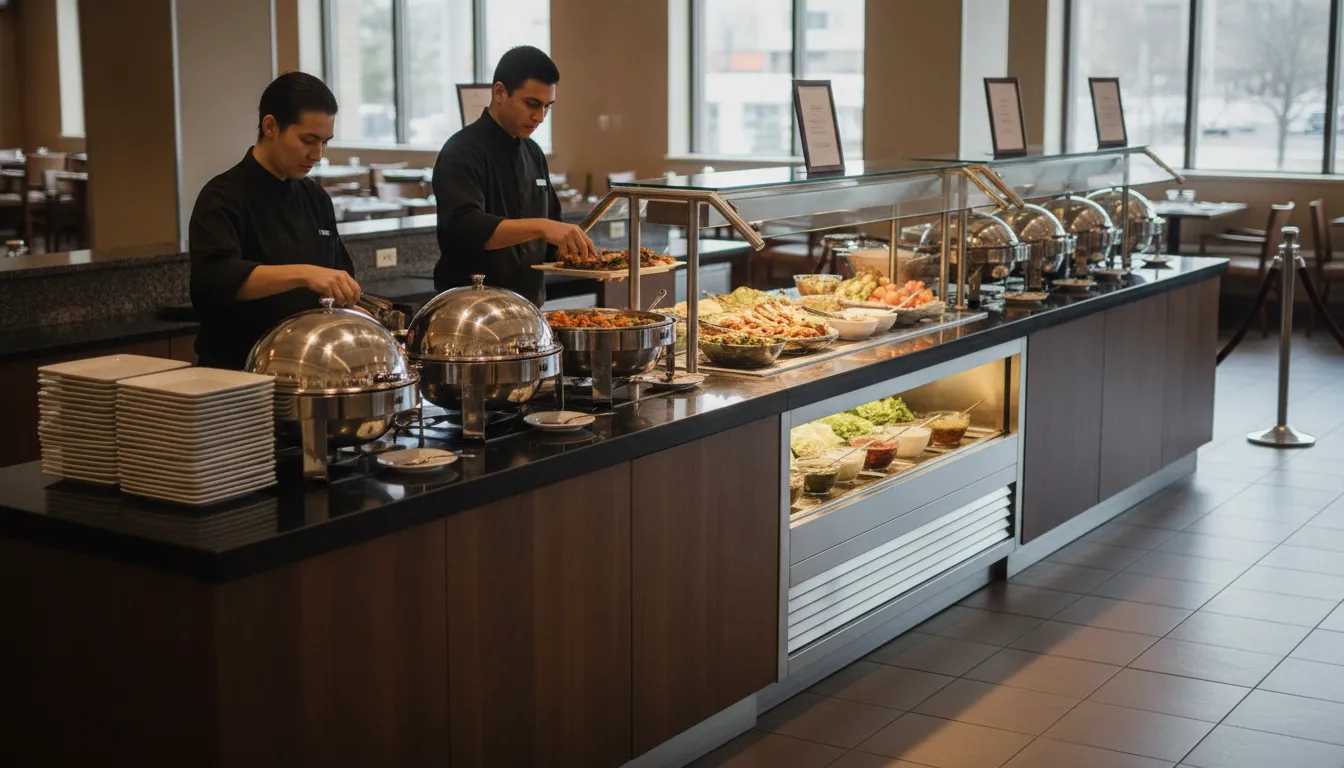
A carving station draws a crowd. An action station adds theater. But if both feed into the same narrow aisle, your guests and your replenishment team feel it. Whether you are running a banquet room, catering an off-site wedding, hosting a restaurant event, or planning a dinner at home, a strong setup balances the guest experience with the work behind it. That means accessible serving pieces, appropriate hot and cold holding, and a clear path for swapping pans and refreshing displays.
Bring us your menu, guest count, and layout so our Rochester team can review your setup.
The strongest buffet programs pair elevated event presentation with dependable service execution. Use flexible serving supplies, clear menu communication, reliable hot and cold holding, and a replenishment route that lets your team reset quickly between rushes.
Henrietta Restaurant Supply can help you plan for both sides of the table. We bring event-service knowledge and strong vendor relationships to practical, inventive solutions, from tiered displays and flexible servingware to beverage stations that give guests another reason to gather. Build around pieces you can use again, then change the presentation to suit the menu and occasion.
What Is Changing in Buffet and Catering Service?
The modern buffet is less about lining up every dish and more about directing the guest experience. A wedding reception might open with plated elegance at the head table, send guests toward a chef-attended carving display, and finish with a separate dessert station. A corporate gala might need quick turnover, compact stations, and signage that keeps the line moving.
- Stations over one bottleneck: Breakfast, carving, pasta, dessert, beverage, and made-to-order stations spread guests across the room and create clear destinations.
- Menus with more personality: Mixed international cuisine, plant-forward dishes, and dietary-aware choices call for readable menu holders and separate serving utensils.
- Presentation with purpose: Risers, tray stands, coordinated serving pieces, and tiered staging add visual height without turning reset into a production.
- Flexible event formats: The same core supplies can support a hotel breakfast, a wedding reception, a business lunch, or a private-chef celebration when pieces are easy to rearrange.
Event and catering coverage from Foodservice Equipment and Supplies reflects the broader move toward customized menus and more engaging service. The operator takeaway is practical: choose supplies that let your team change the station mix, serving sequence, and visual story without rebuilding the entire operation.
Start with the event scene, not a catalog. Where will guests enter? What should they see first? Which display needs a chef or banquet server? Where can BOH staff stage a backup pan without crossing the guest line? The right Rochester catering and service supplies make those decisions easier to execute.
Which Buffet Equipment and Supplies Matter Most?
Build the service around four jobs: present the menu, protect holding conditions, replenish without interrupting guests, and communicate what is being served. That framework keeps the purchase focused while leaving room for the dramatic details that make an event memorable.
| Service function | Supplies to consider | Operational priority |
|---|---|---|
| Display and presentation | Serving trays and tray stands, tabletop signs, menu holders, tent cards, condiment caddies, and napkin dispensers. | Create a readable, organized station. Use height and placement to separate dishes, identify service points, and reduce guest hesitation. |
| Hot and cold holding | Commercial food warmers and holding cabinets, plus refrigerated display cases for items that need controlled cold presentation. | Match the holding solution to the menu and service duration. Staff should monitor conditions and access pans without disrupting the guest path. |
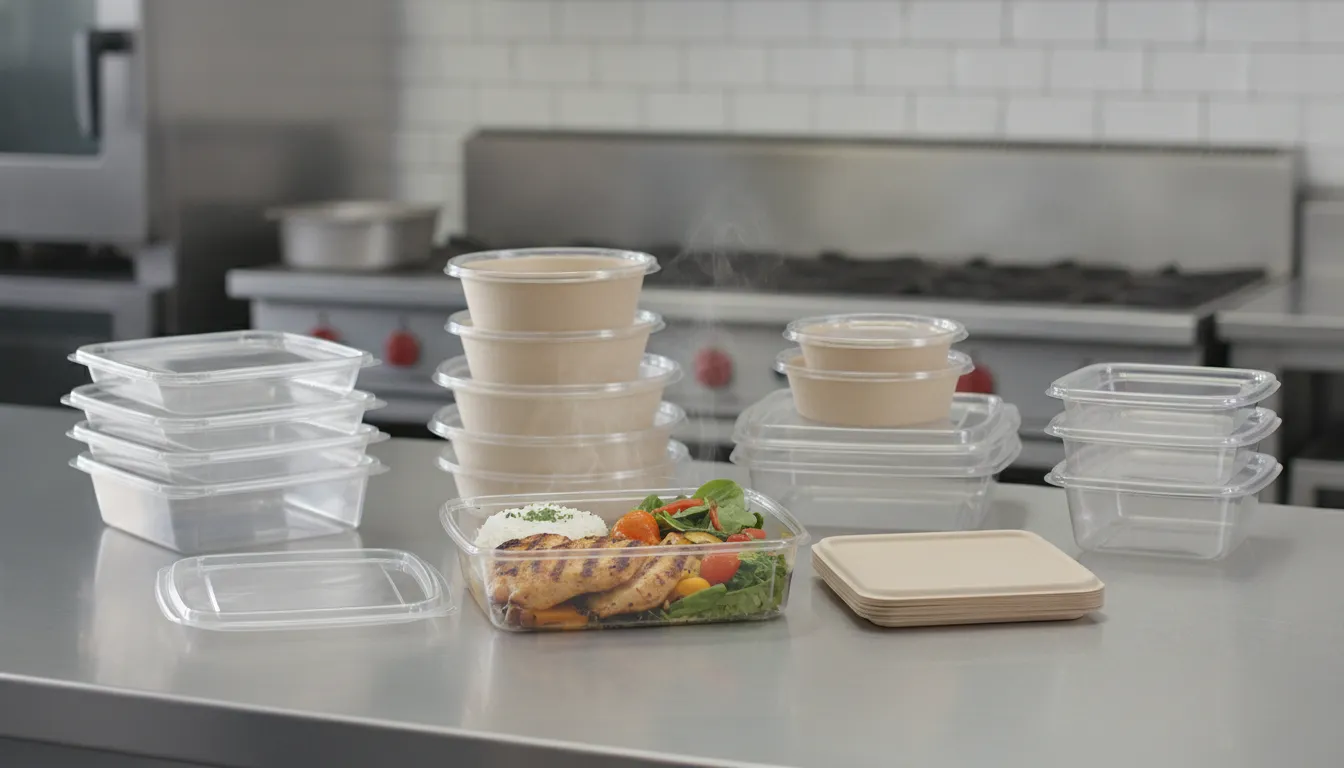
| Replenishment and transport | Bus carts, serving utensils, staging trays, and insulated food carriers for moving prepared food between kitchen, staging, and service areas. | Keep backup product and used serviceware on separate paths where possible. Choose carts and carriers around the route staff actually use. |
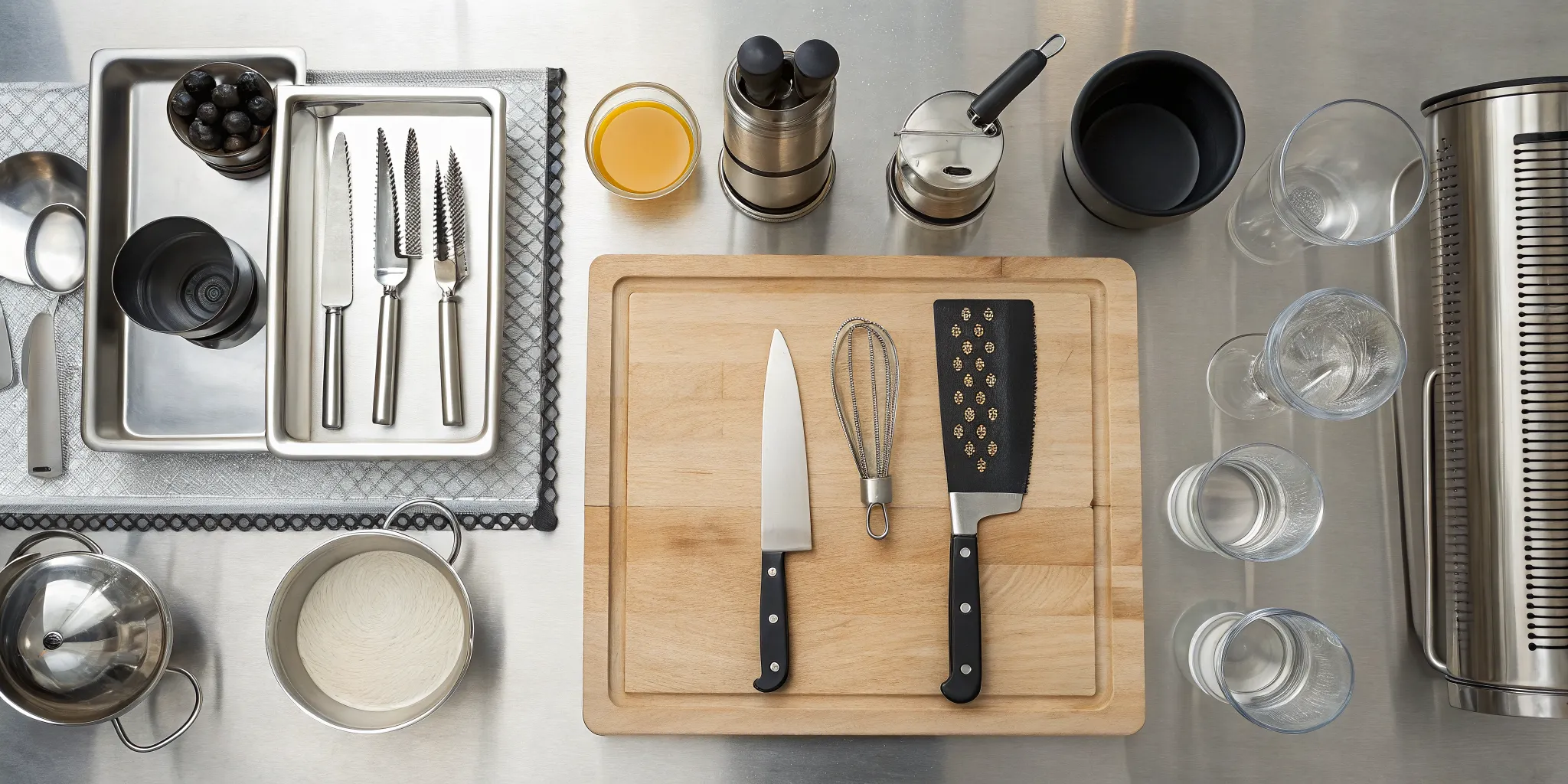
| Menu communication | Restaurant smallwares such as menu holders, tabletop signs, tent cards, and serving utensils. | Identify dishes and key service details consistently. Clear labels help guests choose confidently as the menu changes. |
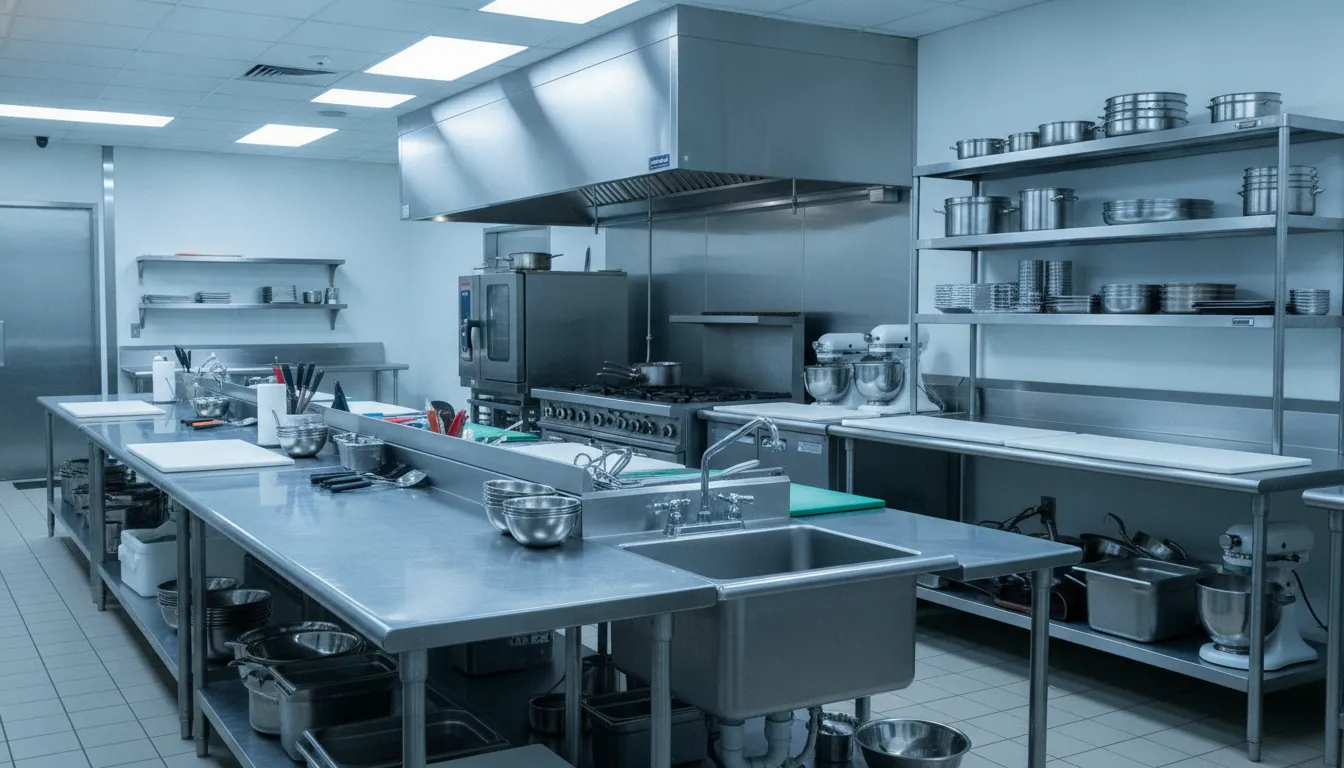
These categories work as a production. A striking display loses its impact if a banquet server has to cross the guest line for every refill. A powerful holding unit is less useful if staff cannot monitor it quickly. For larger renovations or recurring buffet service, commercial kitchen layout planning can connect equipment placement, staging, and workflow before purchases are made.
How Can Stations Make Large Events Feel More Personal?
Stations turn a large room into a sequence of moments. Guests can watch a chef finish a dish, choose a cut at the carving display, or move to dessert without being pushed through one crowded line. The station should fit the menu, staffing plan, room, and service style, not just the mood board.
- Breakfast and brunch: Separate hot dishes, pastries, fruit, beverages, and condiments. Put plates and utensils where the first station begins so guests never have to backtrack.
- Mixed international menus: Group dishes by cuisine or course. Use readable menu holders to explain unfamiliar ingredients, serving suggestions, and dietary details.
- Chef-attended displays: Leave working room for the chef, ingredients, serving utensils, and a short queue. Keep the guest line away from the BOH replenishment route.
- Carving and action stations: Place the feature where guests can see the performance without blocking traffic. Stage backup product close enough for a fast reset.
- Dessert and beverage stations: Pull these away from the busiest hot-food path when the room allows. Beverage service pieces, napkin dispensers, and clear signs help guests move independently.
For a high-end wedding or gala, tiered staging and coordinated serving pieces can make the display feel intentional from across the room. For a private-chef celebration, a few durable trays, risers, and beverage pieces can create elevated event presentation without requiring a full production crew. Commercial caterers can use the same approach to deliver plated elegance at the feature table while keeping the main service line fast.
HRS can help operators compare the serving supplies and restaurant tools that fit the guest count, menu, venue, and reset plan. Choose the visual moments first, then make sure the service team has the holding and transport support to deliver them.
How Should Operators Plan Buffet Layout and Service Flow?
Your guest path, service team, and replenishment route have to work as one system. Map the room around the menu and expected rush. Then walk the sequence as if you were a guest, a banquet server, and the person bringing out a replacement pan.
Buffet service-flow map: Run this five-step rehearsal before doors open so the front-of-house experience and BOH flow stay aligned.
- Welcome and entry: place plates and the first decision point where the line begins.
- Feature stations: lead guests through the menu in a natural order, with clear signs for each station.
- Replenishment lane: stage backup pans and serving supplies close to staff, but outside the guest path.
- Kitchen handoff: trace the route from prep to holding, service, washing, and storage.
- Reset and release: walk the route with a loaded tray, remove bottlenecks, and confirm who owns each station during the rush.
Pro tip: Test the setup with a full tray, a replacement pan, and a bus cart. If a staff member has to stop, turn sideways, or cross the guest line, change the layout before guests arrive.
For a new build or renovation, commercial kitchen layout planning can help coordinate equipment placement, workflow, available space, and project discussions with the design and construction team.
How Do You Protect Food Quality During Buffet Service?
Live-event energy should never come at the expense of food safety. Assign responsibility for temperature checks, replenishment, and removing food that has exceeded its approved holding time. The CDC advises keeping hot food hot and cold food cold, including at buffets and salad bars.
Control temperature and time together
Use the 40 F to 140 F range as a practical warning zone. The CDC identifies this range as one in which bacteria can multiply rapidly. Hot buffet items need dependable hot holding, while salads, cut fruit, dairy-based dishes, and other cold foods need suitable refrigerated display or service equipment.
Do not rely on how a pan feels or looks. Use a calibrated thermometer according to your operation's procedures. Record checks at planned intervals and give the banquet server or station lead a clear response when a reading falls outside your operating limits.
Time matters when food is outside controlled holding conditions. CDC guidance says not to leave perishable food out for more than two hours, or more than one hour when exposed to temperatures above 90 F. Smaller replacement batches can protect quality and reduce the amount of food sitting on the line, but they do not replace temperature monitoring.
Make monitoring part of the service routine
Cold buffet components require particular attention. FDA guidance says cut leafy greens should be maintained at 41 F or less during cold storage and display, and that product and equipment temperatures should be monitored routinely. Assign checks to a named team member, document the results, and establish a clear response when a reading falls outside your operating limits.
Warmers, holding cabinets, refrigerated displays, insulated carriers, and organized service supplies can support a smoother operation, but no product replaces training and oversight. Follow applicable New York State and local requirements, which may be more specific than general public-health guidance.
How Can Rochester Operators Build a More Flexible Buffet Program?
Design the program around changing menus, dayparts, and event formats rather than one fixed setup. A Rochester caterer, hotel, school, senior living dining program, or event venue may need to shift service between breakfast, lunch, weddings, and seasonal celebrations. Build the core operation so the team can make those changes without starting over.
Keep the reliable workhorses together: serving trays, tray stands, bus carts, serving utensils, condiment caddies, menu holders, and napkin dispensers. Add feature pieces for the occasion, such as carving-station supplies, risers, beverage service, or chef-attended display support. A modular core keeps setup familiar for staff while giving your event planner room to create a fresh visual story.
Plan transport and replenishment with the menu. A hotel buffet may need organized BOH staging across several dayparts. A caterer may need insulated carriers and carts for movement between preparation and service locations. A school or healthcare dining program may prioritize predictable portions, clear menu communication, and easy restocking.
Review Rochester catering and service supplies by function, then confirm the exact sizes and quantities needed for guest counts and service style. HRS serves Rochester and Western New York operators, and the team can help you connect display goals with practical holding, transport, and workflow needs.
Frequently Asked Questions
What supplies should a buffet operator prioritize first?
Start with serving trays and utensils, menu holders, condiment caddies, napkin dispensers, bus carts, and dependable hot or cold holding equipment. Then test the replenishment route so staff can reset without crossing the guest line.
How can a buffet accommodate changing guest preferences?
Use a modular setup with flexible serving pieces, clear station labels, and equipment that supports different dayparts. This lets your team rotate menus without rebuilding the entire service line.
What temperatures should operators watch during buffet service?
Keep hot food hot and cold food cold, and monitor both food and holding equipment. CDC guidance identifies 40 F to 140 F as a rapid-growth range and limits perishable food to two hours, or one hour above 90 F. Review CDC food-safety guidance.
How should Rochester operators plan a buffet layout?
Map the guest path, serving sequence, replenishment route, and BOH staging area together. Walk the setup with a loaded tray before opening and remove any bottleneck that slows line speed or turnover.
What should catering teams consider when serving off-site?
Confirm transport, holding, replenishment, venue access, guest count, and service window before finalizing the supply list. Insulated carriers, organized carts, clear labels, and a written setup sequence reduce last-minute decisions.
Ready to Plan a More Flexible Buffet Service?
The right combination of serving supplies, holding equipment, transport tools, and workflow planning can help Rochester-area operators deliver a polished guest experience without slowing the floor. For practical guidance based on your menu, venue, and service flow, contact Henrietta Restaurant Supply about commercial buffet equipment and supplies.