Compact Cooking Power: Hot Plates in Commercial Kitchens
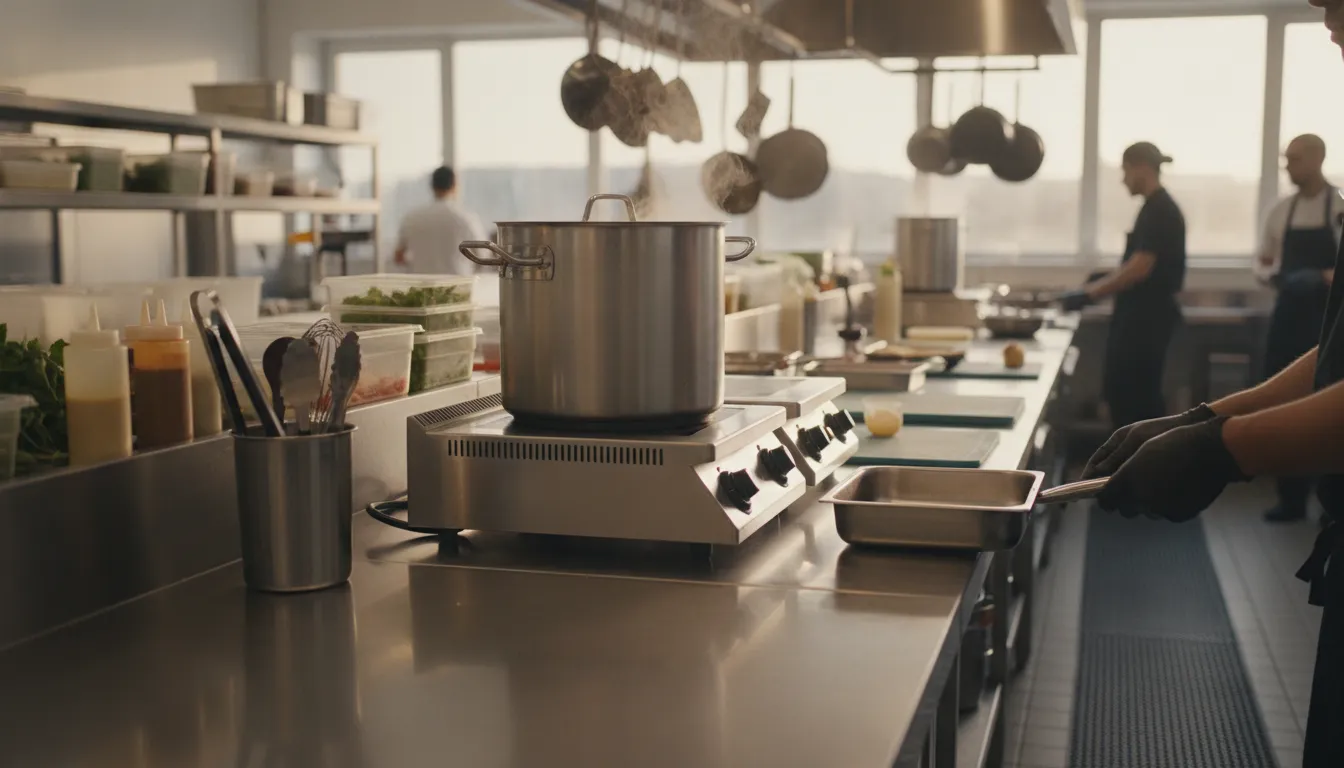
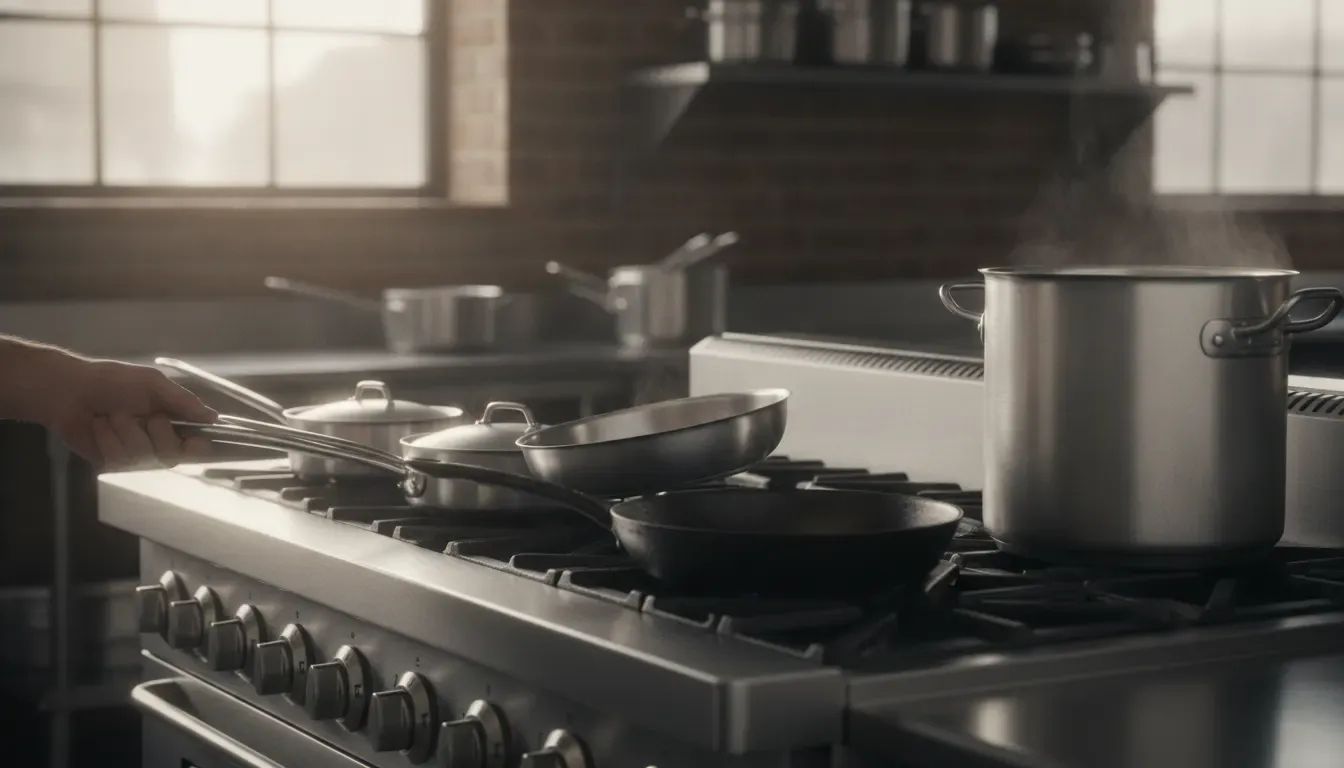
When the line is busy and every counter is already assigned, adding cooking capacity does not always require a larger footprint. A commercial hot plate can give your team a dedicated place to simmer sauce, warm soup, boil water, or finish a small batch during prep. The gain comes from placing the right task in the right spot, not from adding an unplanned appliance.
A hot plate can improve efficiency when it is assigned to a specific menu or prep task and placed where staff can use the right cookware without creating congestion. Review the station, utilities, ventilation, and expected service pattern before you add one.
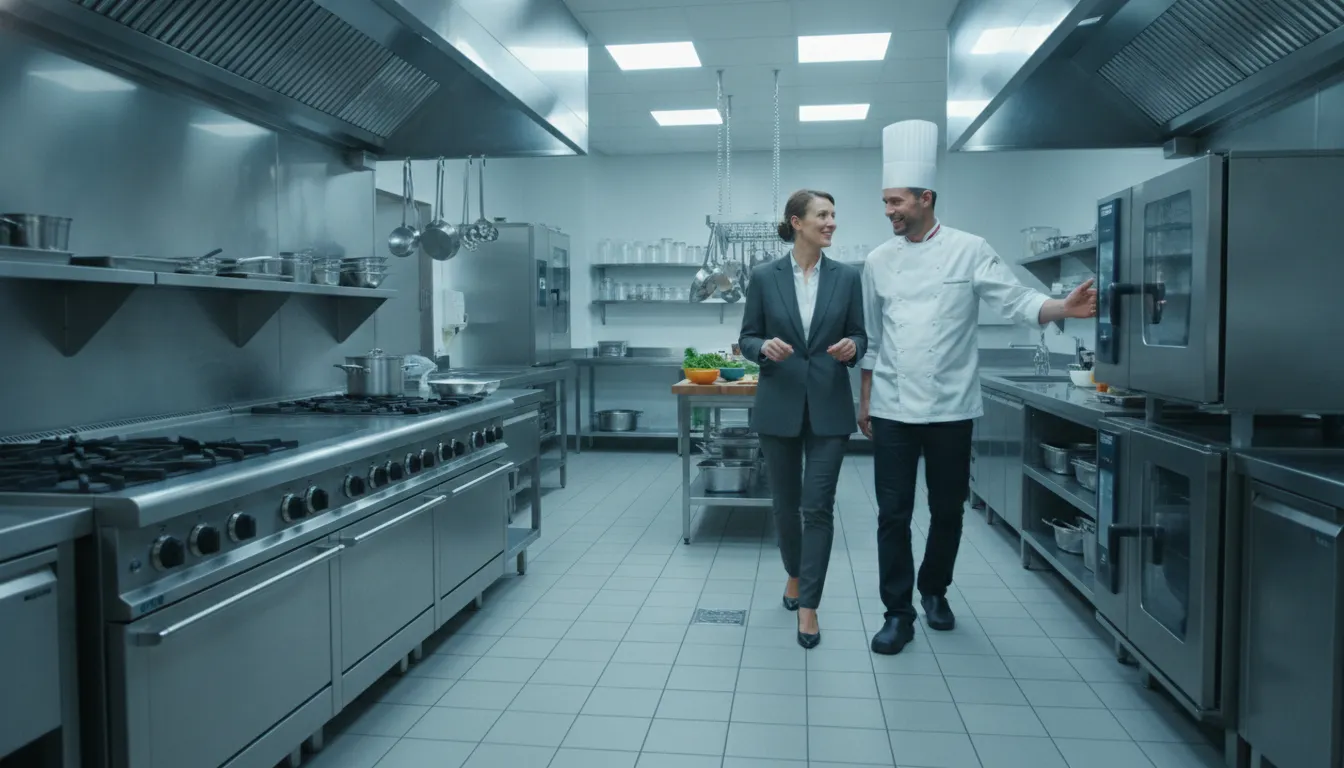
Use the station to shorten a walk, separate a small-batch task from the busiest part of the line, or keep prep moving while another area is occupied. We help Rochester and Western New York operators connect cooking tools with kitchen workflow, layout, and service goals.
Use a hot plate where it removes a bottleneck
Give the unit one clear job
Start with the moment your team loses time. Maybe a cook is waiting for an open burner to finish a sauce. Maybe a prep worker has to carry a pot across the kitchen to heat water. Maybe a catering crew needs a controlled cooking point at a temporary service location. A hot plate is most useful when it addresses one of those specific delays.
Write down the task, the vessel it requires, when it occurs, and who owns it during service. That simple assignment keeps the unit from becoming a catch-all surface and makes it easier to judge whether the station is helping your team.
Choose work that fits the available capacity
Depending on the heating method and cookware, a dedicated unit can support small batches of sauce, soup, gravy, rice, grains, vegetables, or hot beverages. It may also handle melting, simmering, reheating prepared food, boiling water, or holding a component during prep. Match each use to the unit's vessel size, heat response, electrical or fuel service, and ventilation plan.
For smoke- or grease-producing cooking, confirm the exhaust and approval requirements before assigning the station. The goal is a dependable prep or service step that fits your operation, not a new task that creates a safety or cleanup problem.
Build the station into prep and service flow
Make prep more deliberate
A small cooking point can support prep before tickets arrive. Use it for a sauce base, a small batch of soup, cooked grains, blanched vegetables, or another component that would otherwise compete for attention during the rush. Stage the ingredients, correct vessel, utensils, and storage container nearby so the operator does not leave the station repeatedly.
Give the team a written handoff. Note the task, batch size, start time, finish point, and destination for the prepared food. This reduces duplicate work and helps the next shift understand how the station fits into the kitchen's routine.
Use the station to protect line speed
During service, the unit can keep a focused side task moving while the main team handles incoming tickets. It can also support catering, a pop-up, a satellite counter, or seasonal overflow when the setup needs one controlled heat source. Assign an operator and define when the unit should be used, replenished, cleaned, and shut down.
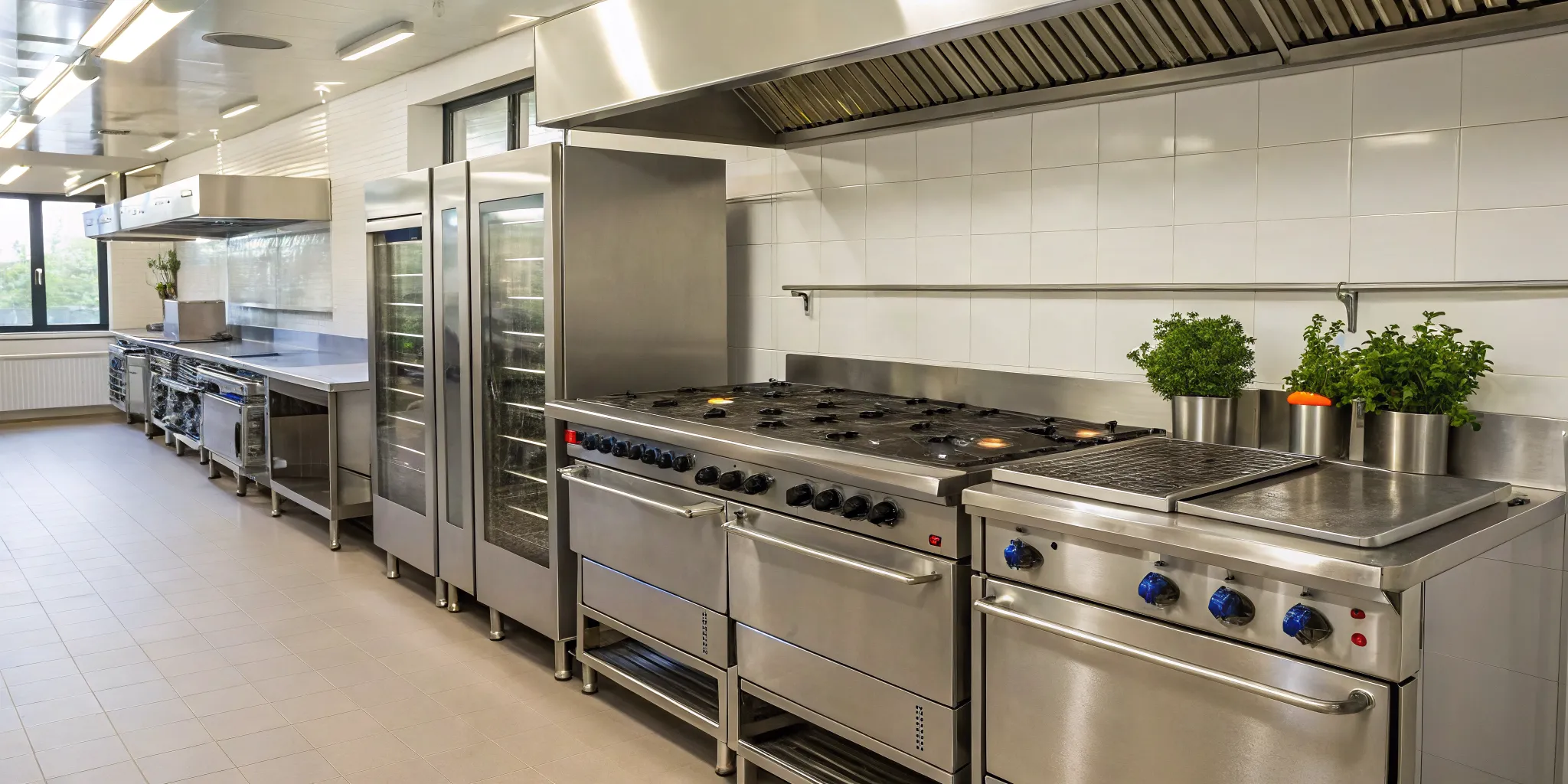
Placement matters as much as the appliance. Keep the operator near the ingredients and tools they need, but away from the main aisle, handwashing access, refrigeration doors, and the busiest pass-through points. A station that removes one bottleneck should not create another.
Our commercial kitchen planning team can help you review the station's position, reach, replenishment path, and relationship to the rest of the workflow.
Choose the heating method and cookware together
Review the cookware already used for the task before choosing a method. The vessel base, heating response, available utilities, cleaning routine, and placement all affect how smoothly the station works. The table below is a practical starting point, not a substitute for checking the exact unit and site
| Method | Useful for | Important check | Station question |
|---|---|---|---|
| Electric | Sauces, soup, hot water, warming, and other focused work with suitable flat-bottom cookware. | Confirm electrical load, pan base, clearance, heat retention, and cleaning access. | Can the operator reach ingredients and safely move the hot vessel? |
| Induction | Focused cooking when the team has compatible magnetic cookware and needs responsive control. | Test current vessels with a magnet and confirm zone size, electrical load, and clearance. | Will the vessels used for the menu task sit fully on the cooking zone? |
| Gas | Cooking tasks where approved gas service, placement, and exhaust planning are already available. | Confirm fuel connection, ventilation, clearance, local approval, and fire-safety procedures. | Can the station operate without interfering with nearby staff or combustible materials? |
Keep the cookware decision practical
Use the vessel that matches the job rather than forcing a large or awkward pan into a small station. Electric methods generally suit flat-bottom cookware, while induction requires magnetic pots and pans. If the team already has a consistent cookware set, use that information when discussing the unit and station.
Document the menu task, vessel type, batch size, utilities, placement, clearance, and cleaning routine before ordering. This makes the conversation specific and gives your equipment partner enough information to identify workable tools and related kitchen solutions.
Check utilities, ventilation, and daily safety
Review the site before the first service
Place the unit on a stable, heat-tolerant surface with enough room for normal operation, ingredient handling, and cleanup. Confirm the connection, cord or fuel path, clearance, nearby surfaces, and ventilation conditions. A portable unit still needs to fit the requirements for your menu and location.
Local rules vary. Section 14-1.175 of the New York State Sanitary Code requires food-service rooms to have enough ventilation to control excessive heat, steam, condensation, vapors, odors, smoke, and fumes. It also requires mechanical ventilation where odors, vapors, or fumes originate in new or extensively remodeled establishments. Rochester operators should confirm current Monroe County and local building requirements before selecting equipment or changing a cooking process.
Train, clean, and shut down consistently
Review controls, vessel placement, hot zones, and shutdown steps with every team member who may use the station. Keep dry hot pads or mitts nearby, and do not use wet towels to grip hot equipment. OSHA identifies burns and scalds as food-preparation hazards and provides restaurant safety guidance for equipment operation and hot items.
Follow the manufacturer's cleaning instructions, remove residue after service, and assign responsibility for de-energizing the unit. A consistent closing check confirms that the surface, surrounding counter, and nearby tools are ready for the next prep cycle.
Six questions to answer before adding the station
- What exact task will it handle? Name the food, prep step, or service job, such as simmering sauce, heating soup, boiling water, or finishing a small batch.
- When will the task happen? Identify whether the unit supports opening prep, the service rush, catering production, a satellite station, or closing work.
- What vessel and batch size are required? Confirm that the cookware fits the method and that the practical capacity matches the amount your team needs to prepare.
- What utilities and ventilation review apply? Check the connection, exhaust, clearance, local approval, and fire-safety requirements before the equipment is placed.
- Where can the operator work without creating traffic? Map the ingredient path, handwashing access, refrigeration doors, storage, pass, and cleanup area around the station.
- Who can help evaluate the complete setup? Bring your menu, service volume, cookware, layout, utilities, and training needs to a free consultation with our commercial equipment team.
Ask our commercial equipment team to review your setup.
Frequently Asked Questions
What can a commercial hot plate be used for?
A commercial hot plate can support focused work such as simmering sauces, heating soup, boiling water, cooking grains, warming prepared food, melting ingredients, or finishing a small batch. The appropriate use depends on the unit, cookware, menu, batch size, utilities, ventilation, and site requirements.
How can a hot plate improve kitchen efficiency?
It can keep a defined prep or service task moving without taking an operator away from the busiest station. Place it near the ingredients and cookware for that job, assign responsibility, and use a clear handoff so the station reduces walking, waiting, and duplicated prep.
Which cookware works with electric and induction hot plates?
Electric hot plates generally work with suitable flat-bottom cookware. Induction units require magnetic pots and pans, and the vessel base must fit the cooking zone. Test the cookware your team already uses before choosing a heating method.
When should operators ask for a ventilation or code review?
Ask for a review before using a unit for smoke- or grease-producing work, changing a menu process, adding gas service, or placing equipment in a new area. Portability does not automatically remove local safety, fire, or ventilation requirements.
Plan a more efficient cooking station with Henrietta Restaurant Supply
The right hot plate setup starts with the work your team needs to complete. We can help you evaluate the menu task, prep sequence, cookware, utilities, placement. And related innovative kitchen tools and solutions, so a smaller station supports service without adding unnecessary congestion.
Schedule a free consultation with our commercial equipment team.