
Fire Suppression Rules for Rochester Kitchens
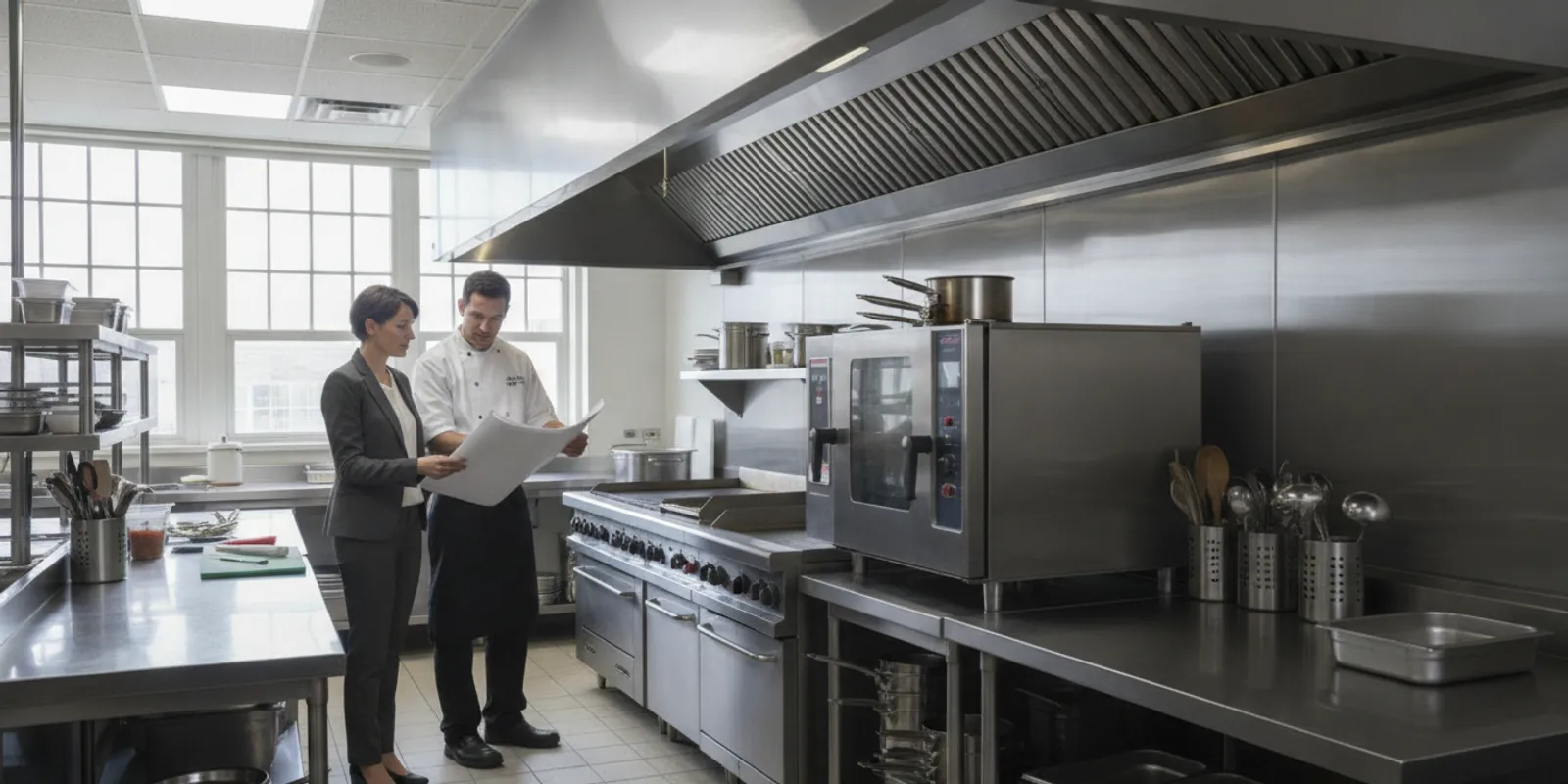
When the dinner rush is moving, your team should not have to wonder whether the hood, shutoff, extinguisher, or suppression system is ready for the heat. Commercial cooking creates a concentrated mix of open flame, hot oil, grease, fuel, electrical equipment, and fast staff movement. Fire preparation starts with the equipment on the line and the habits around it, not with a last-minute inspection scramble.
Fire Suppression Equipment for Your Commercial Kitchen
A safe commercial cooking setup uses several layers of protection. A hood and exhaust system move heat and grease away from the cooking line. A listed wet-chemical suppression system protects covered appliances and hood areas. It must be designed, installed, serviced, and connected to required fuel or electrical shutoffs. Portable extinguishers give trained staff another response option when an incident is small and it is safe to act.
The exact equipment depends on the menu, appliances, fuel sources, hood arrangement, building, and local requirements. A fryer-heavy line is not the same as a bakery, sandwich station, or banquet kitchen. Do not move, add, or replace an appliance under an existing hood until a qualified fire-protection professional confirms that the coverage and controls still fit.
Products and controls to keep ready
- Listed hood and filters: Keep the hood, baffles or filters, exhaust fan, and makeup-air components matched to the cooking equipment. Follow their listings and manufacturer instructions.
- Wet-chemical suppression system: Use a professionally designed system with nozzles, detection, manual pull station, and automatic fuel or power shutoff arranged for the covered appliances.
- Class K extinguisher: Provide the extinguisher type required for commercial cooking oils and place it where trained staff can reach it without crossing the fire. Other areas may require additional extinguisher types.
- Emergency controls: Keep the system pull station, appliance shutoffs, electrical disconnects, and access paths visible, labeled, and free of storage or equipment.
- Inspection and service records: Keep current tags, reports, test results, cleaning records, and correction notes together so managers can show what was checked and what remains open.
| Layer | What it protects | What to verify |
|---|---|---|
| Hood and exhaust | Moves heat, smoke, and grease away from the cooking line. | Appliance coverage, filters, cleaning access, fan operation, and makeup air. |
| Wet-chemical suppression | Protects covered cooking appliances and helps control a fire at the hood. | Qualified design, nozzle placement, manual pull station, shutoffs, testing, and service records. |
| Portable extinguishers | Gives trained staff a response option for a small, early-stage fire. | Correct type, visible access, current service, clear instructions, and staff training. |
| Operating controls | Reduces ignition and response risks during every shift. | Clear exits, accessible shutoffs, clean work areas, safe storage, and documented checks. |
These products work as a system. A new range or fryer can change the heat load, hazard area, hood coverage, and shutoff sequence. Product selection is not a substitute for a site review.
What Fire Inspectors Look For During a Rochester Review
Fire inspectors and code officials look for conditions that could start a cooking fire. They also check whether those conditions could make a response harder. Requirements vary by address and project scope. Restaurant owners should be ready to show that equipment is accessible, maintained, and consistent with the approved installation.
- Grease control: Hood filters, plenums, ducts, fans, and nearby surfaces should not carry an unsafe buildup of grease. Set a cleaning schedule based on the cooking operation and keep records.
- Clear access: Do not block exits, aisles, the suppression pull station, extinguishers, appliance shutoffs, electrical panels, or the route emergency responders need to use.
- Correct equipment: Appliances should stay in the locations and under the hood coverage for which the system was designed. Unapproved changes can leave a hazard outside the protected area.
- Working controls: Manual activation, detection, shutoffs, alarms, and other system components must be maintained and tested by the responsible qualified professional.
- Safe storage: Keep cardboard, towels, packaging, chemicals, and other combustibles away from hot surfaces. Do not use space beneath or beside cooking equipment as overflow storage.
- Staff readiness: Train employees on the alarm, evacuation route, emergency shutoffs, extinguisher limits, and the rule to never use water on a grease fire.
For a Rochester project involving a commercial hood or a fire-suppression installation or use modification, review the Rochester permit packet early. The current city information says submissions must be complete and include plans prepared by a New York State licensed design professional, along with the required supporting documents. That is a project-submission rule, not a replacement for an on-site inspection or a system designer's determination.
Understand New York’s Commercial Kitchen Code Requirements Before Changing Equipment
New York's Uniform Fire Prevention and Building Code sets statewide minimum standards outside New York City. Local authorities can impose more restrictive construction standards. The New York Uniform Code page explains how the state code uses adopted referenced standards. Commercial cooking ventilation and fire protection often follow requirements addressed by NFPA 96. Ask the authority having jurisdiction which adopted provisions and editions apply to your address and project.
Before ordering equipment or changing a cooking line, ask these questions:
- Does the new appliance change the hood, exhaust, fuel, electrical, or suppression requirements?
- Does the work require a permit, plan review, inspection, or approval before the line returns to service?
- Who is responsible for suppression design, installation, testing, service, and correction work?
- Which documents must be submitted, and who will keep the approved plans and service records?
- What must staff do if a system is discharged, a warning appears, or a required component is damaged?
For extinguisher basics and workplace response limits, use OSHA's extinguisher guidance as an educational starting point. Your fire-protection professional and local authority remain the sources for the requirements that apply to your operation.
Choose equipment with fire safety in mind
Fire protection should be part of the commercial equipment conversation before the final order. The right choice supports safe clearances, practical cleaning access, and reliable service. It should also keep controls accessible during peak service.
When you compare commercial ranges, fryers, ovens, refrigeration, or prep equipment, look beyond the unit itself. Check how the appliance fits under the hood and how employees will move around it during peak service. Confirm that shutoffs remain accessible and technicians can reach the system for inspection. A lower purchase price does not help if the equipment creates a costly redesign. It also does not help if the change delays an opening.
Henrietta Restaurant Supply can help you review the commercial equipment package, menu needs, available space, delivery timing, and installation coordination. We can organize the equipment information for your project team. A qualified fire-protection professional determines suppression design, and the local authority confirms the applicable code and permit path. Start with our kitchen renovation services and commercial kitchen equipment resources.
Build a routine that keeps the kitchen ready
Keep Your Kitchen Ready for Service and Plan Your Next Equipment Change
Inspection readiness takes a consistent routine. Assign responsibility for daily checks, hood and duct cleaning, extinguisher and suppression-system service, staff training, and records. Managers should know who to call when equipment is damaged, overdue for service, or moved.
Use a quick shift check to catch problems early:
-
Keep exits, aisles, shutoffs, extinguishers, and pull stations visible and accessible.
-
Check for grease buildup, damaged filters, hood problems, and combustibles near hot equipment.
-
Confirm the cooking line matches the approved arrangement.
-
Document problems and keep unsafe equipment out of service pending professional direction.
-
Review emergency procedures before new staff work a hot station.
For an active fire or immediate danger, follow emergency procedures, evacuate as required, and contact emergency services. This guidance does not replace professional inspections, system service, or code determinations.
Whether you’re rebuilding your entire cooking line or need a simple product replacement, contact our team for help finding the right fit. We’ll compare options for your menu, space, and budget and coordinate delivery and installation. Bring your plans or product needs to a free kitchen consultation, and we’ll help you take the next step.
Frequently asked questions
Does replacing one cooking appliance require a suppression review?
It can, especially when the appliance, fuel, location, or hood relationship changes. Ask a qualified fire-protection professional and the authority having jurisdiction before installation.
What extinguisher belongs near a commercial cooking line?
Commercial cooking operations commonly use a Class K extinguisher for cooking-oil fires, along with other extinguishers where required. A qualified professional should confirm type, placement, service, and training.
Who approves a Rochester commercial kitchen fire-suppression project?
The responsible design and fire-protection professionals prepare the work, while the applicable Rochester or other local authority reviews permits, plans, inspections, and approvals for the project.
Can an equipment supplier approve suppression design?
An equipment supplier can coordinate appliance information and installation planning, but qualified fire-protection professionals and the relevant authority must confirm system design and compliance.
Questions about your equipment package, space, or installation timeline? Our team can help you identify the next commercial kitchen step.