
Open Your Bar with Confidence: A Guide to Startup Costs and Operational Essentials
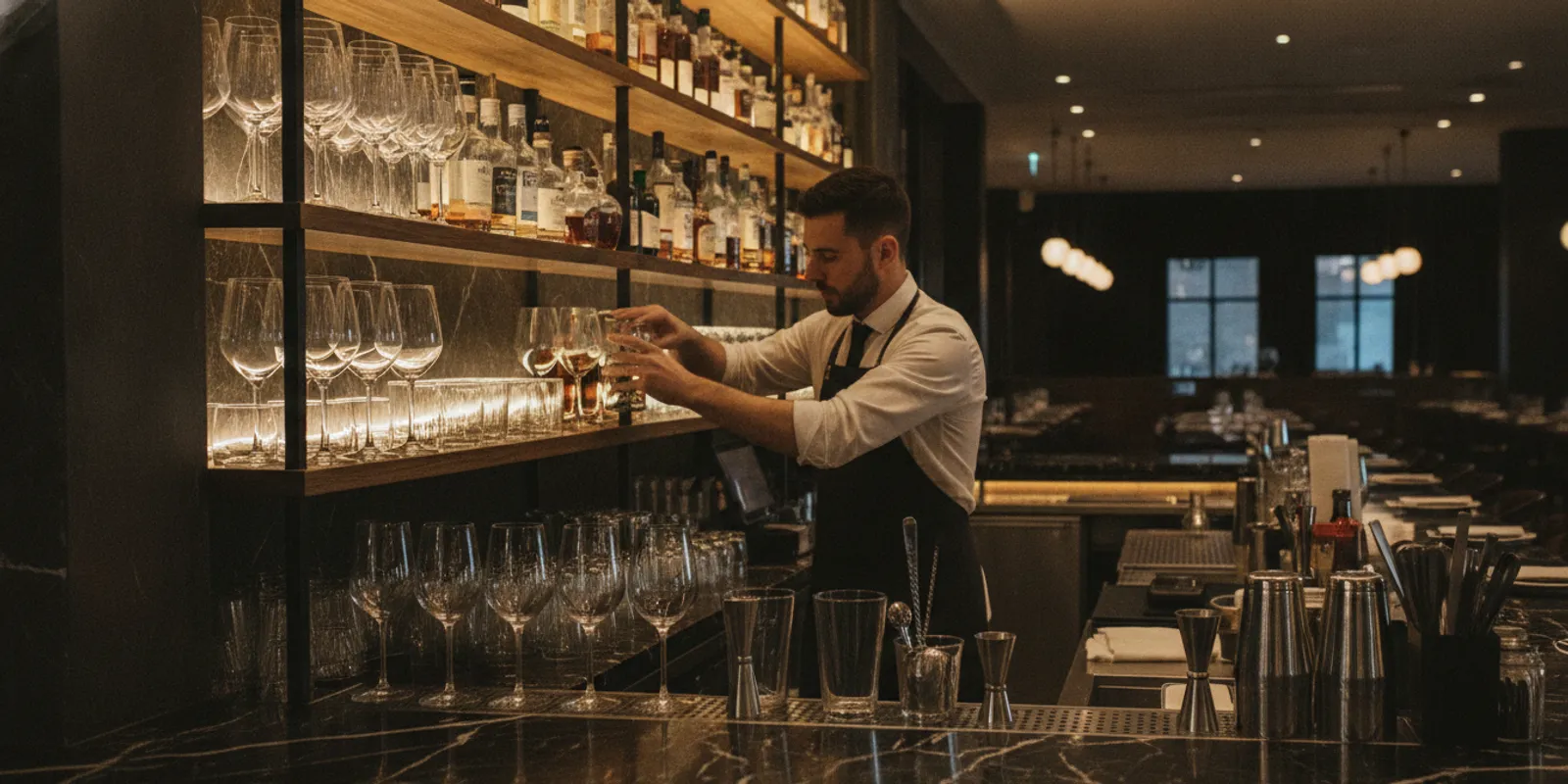
Opening a bar means more than stocking bottles and setting up a counter. Your menu, service pace, layout, permits, and equipment all affect the money you need before the first guest arrives. Start by building a budget around the way you will actually serve.
Talk with our team about your bar equipment plan
There is no dependable one-size-fits-all startup total. A neighborhood cocktail bar, a high-volume beer-and-wine room, and a hotel lounge have different menus, seating, storage needs, and service demands. Treat your budget as a set of decisions to verify, not a single number copied from another operation. We can help you compare commercial equipment options in a free kitchen consultation, based on your menu, space, and budget.
What drives bar startup costs?
Separate one-time opening expenses from recurring operating costs. The first group gets the room ready to serve. The second keeps it stocked, staffed, maintained, and compliant after opening. Get written quotes where possible, confirm what each quote includes, and leave room for delivery, installation, and adjustments to the space.
| Budget area | What to plan for | Questions to answer |
|---|---|---|
| Premises and build-out | Lease and deposits, renovations, utilities, bar layout, plumbing, electrical work, and ventilation where required | What work is allowed, who completes it, and which local reviews or approvals apply? |
| Licenses and professional services | Applicable licenses, permits, insurance, legal or accounting support, and inspections | Which agencies and professionals should confirm the requirements and timing? |
| Commercial equipment | Refrigeration, ice production, glasswashing, beverage preparation, and any food-prep equipment your menu calls for | What capacity, footprint, utility connections, and installation does service require? |
| Opening inventory and smallwares | Beverages, glassware, bar tools, cleaning supplies, and initial consumables | What belongs on the opening order, and how much storage and replenishment space is available? |
| People and working capital | Hiring, training, payroll, opening promotions, utilities, maintenance, and cash for early operating weeks | How will you cover costs if sales build more slowly than planned? |
The table is a planning framework, not a quote. Local requirements, the condition of the space, equipment specifications, and the scope of your menu all change the final numbers. Verify costs with the relevant agencies, landlord, trades, insurers, and vendors before committing.
How should the menu shape your equipment plan?
Start with the drinks and food you intend to sell, then map how each item moves from delivery to guest. A compact beer-and-wine menu needs a different setup from a cocktail program with fresh ingredients, blended drinks, or late-night food. Buying for a menu you do not plan to serve adds cost and takes up valuable back-of-house space.
Beer, wine, and simple mixed drinks
Plan cold storage around your selection, expected sales, delivery cadence, and how quickly staff can replenish the bar. Consider where kegs, packaged beverages, and backup stock will sit, and how staff will move them safely without blocking the service lane. Match glassware to the drinks you actually offer. Our bar and beverage supplies include options for commercial service, while bar tools support the drink-making tasks on your menu.
Cocktail and specialty beverage service
Fresh citrus, syrups, garnishes, coffee, or frozen drinks each add handling and storage steps. Think through prep, labeling, cold holding, cleanup, and the distance between each station and the guest-facing bar. If coffee or nonalcoholic specialties are part of the offer, list the equipment and counter space they require before finalizing your layout. Explore coffee and beverage service supplies as one part of that plan.
Bars with a food menu
A limited snack menu and a full hot-food menu do not call for the same back-of-house setup. Define the number of items, prep steps, and expected order volume first. Then review the cooking, refrigeration, and prep equipment needed to produce them safely and at a pace that works with drink service. Browse commercial kitchen equipment and commercial refrigeration and ice machines in relation to those specific demands. Confirm local requirements before changing the layout or adding equipment.
What operating essentials are easy to overlook?
- Ice movement: Estimate peak drink demand, identify where ice is made and stored, and keep the route from ice supply to service station clear. Capacity and placement matter as much as the machine itself.
- Glassware turnover: Plan for dirty-glass return, washing, clean storage, and quick restocking. A bottleneck at the glasswasher can slow the whole bar, even when bartenders are ready to pour.
- Workstation reach: Group the tools, glassware, and ingredients used together. Reduce unnecessary steps without crowding staff or creating conflicts between service and replenishment.
- Storage and receiving: Reserve accessible space for incoming beverages, supplies, and cleaning products. Keep deliveries and restocking from interrupting guest service.
- Cleaning and close-down: Assign storage for janitorial supplies and make cleaning tasks part of the shift routine. The last few minutes of a shift should not depend on finding missing tools or supplies.
Smallwares and serving pieces are part of the operating budget, too. Build a count from the menu and service format, then decide what must be ready at opening and what can be added later. Our commercial smallwares can help fill gaps in the daily setup. For layout and workflow questions that go beyond a single purchase, learn about our kitchen design and renovation support.
How can you keep the opening budget workable?
Protect the essentials first. Spend against a written menu and operating plan, not a wish list. Use these steps to keep decisions grounded:
- List the service model. Note operating hours, expected busy periods, seating or standing service, beverage mix, and any food service.
- Map the work. Sketch delivery, storage, prep, drink production, washing, and waste routes. Identify pinch points before the room is built or equipment is ordered.
- Separate must-haves from later additions. Prioritize items required for the opening menu and safe, reliable service. Record optional upgrades separately and revisit them when demand is clearer.
- Compare the full installed cost. Ask what is included in the quote: delivery, setup, utility requirements, installation, and coordination. A lower purchase price may not represent the lowest total cost to put an item into service.
- Plan replenishment and maintenance. Account for regular supplies, cleaning, upkeep, and access to service. Check how equipment will be supported and whether your team can operate it comfortably.
A startup cost calculator can help estimate launch expenses and suggest a cash buffer, but use it as a worksheet rather than a substitute for local quotes and site-specific checks.
A free consultation can help you sort equipment priorities against the actual space and budget. At Henrietta Restaurant Supply, we can compare options for your operation and coordinate delivery and full-service installation where applicable. Share the menu, a rough layout, expected service volume, and your opening timeline if you have them. You do not need a complete project packet to start the conversation.
Schedule a bar consultation with our experts.
Frequently asked questions
How much money should I set aside to open a bar?
It depends on the space, local requirements, build-out, menu, equipment, staffing, and opening inventory. Gather local quotes and keep a working-capital reserve rather than relying on a generic startup figure.
Which equipment should I purchase first?
Start with equipment required to produce your opening menu and support expected peak service. Confirm the layout, utility needs, capacity, delivery, and installation before placing orders.
When should I begin planning equipment delivery?
Start early enough to confirm specifications, site readiness, utility connections, and installation timing. Coordinate the schedule with your landlord, contractors, and equipment team before setting an opening date.
Can I get help comparing options before the full plan is finished?
Yes. Our team can answer your questions and help match bar equipment to your menu, space, budget, and service needs. Contact our experts to schedule a free consultation.
Build the budget around the service you intend to deliver, verify the local requirements, and make each equipment decision with the room and daily workflow in view. That groundwork gives your team a more practical path from setup to a steady first shift.