More Cooking Options, Better Control in Your Kitchen
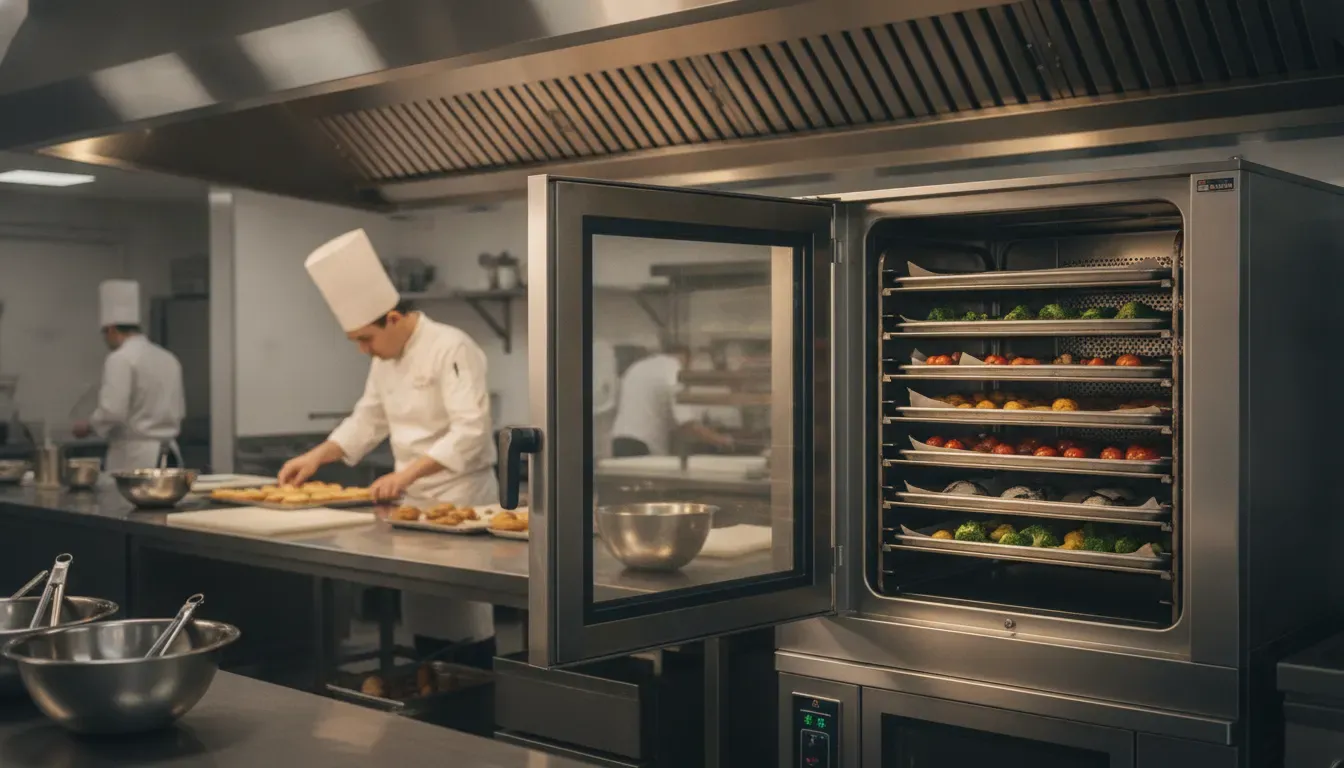
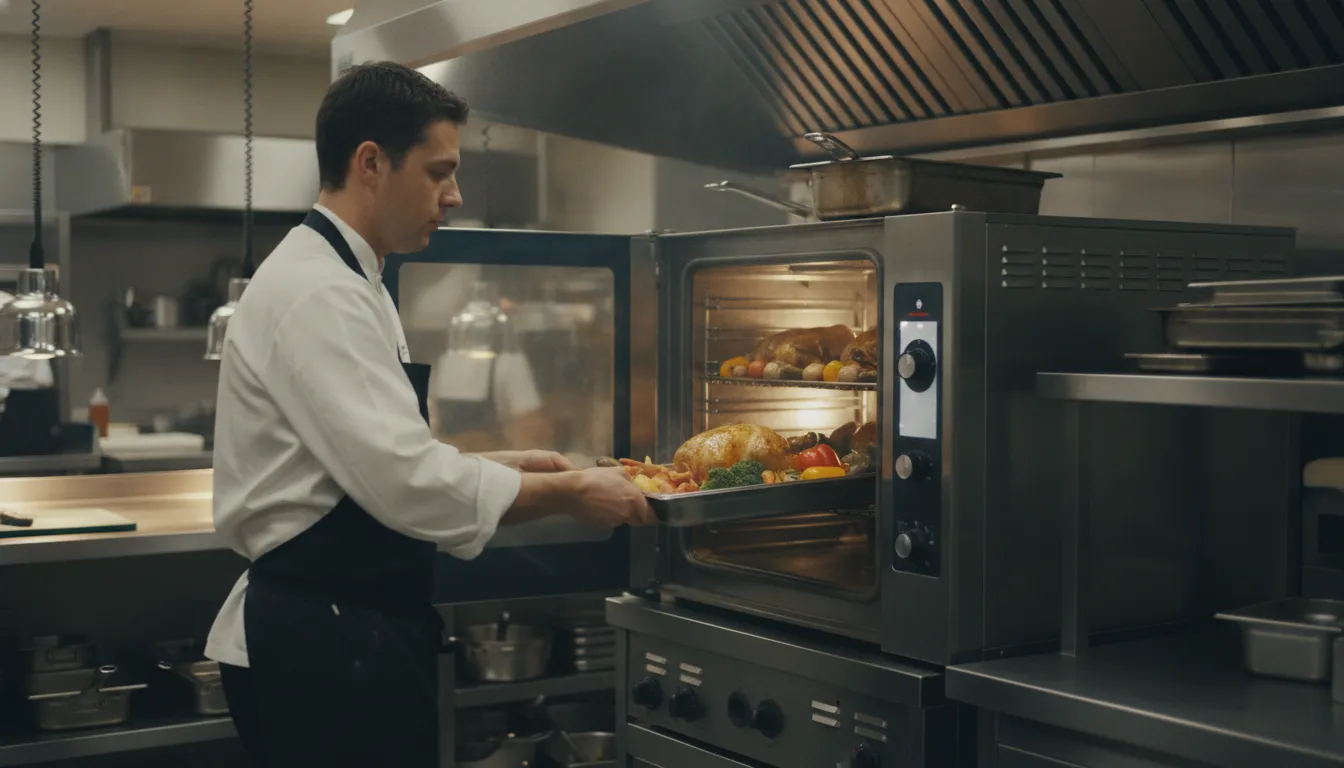
A combi oven combines a convection oven and a steamer in one piece of equipment. It cooks with dry heat, steam, or both, giving your kitchen the flexibility to roast, bake, steam, and reheat throughout the day.
The advantage is control over moisture. You can introduce steam when food needs it and use drier heat for browning. That helps your team manage texture and consistency, whether you’re roasting chicken, preparing vegetables, or reheating a casserole.
The right model should fit your menu, production needs, and budget. Our equipment experts can help you compare options during a free consultation.
Three Cooking Modes, Different Results
Start with how you want the food to turn out, then choose the appropriate mode.
| Cooking mode | How it works | Everyday uses |
|---|---|---|
| Steam | Uses moist heat without adding browning. | Vegetables, rice, and fish. |
| Convection | Circulates hot air for baking and surface color. | Rolls, roasted potatoes, and baked dishes. |
| Combination | Uses hot air and steam together to manage moisture. | Roasted proteins, casseroles, and reheating. |
Broccoli for a cafeteria line and roasted broccoli for a dinner special need different cooking conditions. The same oven can handle both at different times.
Better Quality, More Consistent Batches
Manage Moisture and Browning
Controlling moisture gives your team more ways to achieve the texture you want:
- Roasted proteins: Added moisture can help limit drying.
- Vegetables: Steam cooks without submerging food in boiling water.
- Reheated dishes: Controlled moisture helps protect rice, casseroles, and sliced meats from dry edges.
- Finishing: Multistage programs can use moisture during cooking and drier heat for browning.
Timing, portion size, and loading still matter. Test the method at the volume you actually serve.
Give Every Shift a Reliable Starting Point
Saved programs help cooks repeat a tested process instead of rebuilding it from memory. They’re useful for training staff, repeating specials, and keeping recurring meals consistent.
Pair each program with clear instructions for:
- Portion size and preparation.
- Pan type and food arrangement.
- Starting temperature and load size.
- Required cooking endpoint.
A saved chicken program is most useful when everyone prepares and loads the chicken the same way.
Understand Your Usable Yield
Moisture loss affects how much cooked product remains to serve. Compare your current method with a tested combination program to see whether it improves yield without sacrificing quality.
| What to measure | Why it matters |
|---|---|
| Raw and cooked weight | Shows cooking loss. |
| Portions at your standard serving size | Connects yield to what you can serve. |
| Flavor, texture, and appearance | Confirms the result meets your standards. |
| Quality after normal holding | Shows how the food performs through service. |
Your own results provide a stronger basis for food-cost decisions than a general savings claim.
Make Room for a Smoother Workflow
One oven can bake in the morning, steam during prep, and roast before dinner. That flexibility can reduce overlapping equipment needs and move batch cooking off a crowded range.
Plan around what needs to cook at the same time. Vegetables that need steam and rolls that need dry heat require separate cycles or additional equipment.
Contact our equipment experts for a free consultation. We’ll help you match capacity to your busiest production window and identify where separate equipment still makes sense.
Practical Uses Across Foodservice
Hotels, Banquets, and Catering
Event kitchens need consistent food ready within a coordinated service window. Common applications include:
- Roasting proteins for plated meals and buffets.
- Preparing sides around the event schedule.
- Reheating and finishing properly prepared food.
- Saving programs for recurring banquet menus.
Evaluate quality after normal holding or transport, too. Food needs to perform when it reaches the guest.
Schools, Colleges, and Cafeterias
Repeatable recipes and organized production help teams serve multiple lunch periods. Useful applications include:
- Cooking vegetables closer to serving time.
- Repeating proteins, casseroles, and grains.
- Standardizing instructions across shifts.
- Scheduling fresh batches for later serving periods.
Test with your normal quantities and pan counts so instructions reflect daily production.
Restaurants and Quick-Service Kitchens
Start with dishes your team prepares regularly:
- Roasted proteins for sandwiches, salads, and entrées.
- Braises and casseroles prepared before service.
- Batch sides that otherwise occupy the range.
- Specials that benefit from a repeatable method.
Familiar recipes make it easier to assess changes in quality, preparation time, and consistency.
Bars and Breweries
Smaller kitchens often need one appliance to handle several jobs:
- Roasting sandwich meats.
- Baking suitable appetizers and flatbreads.
- Preparing vegetables and sides.
- Reheating selected dishes with controlled moisture.
Keep fryers and grills where their results are central to your menu. Oven cooking produces different textures and finishes.
Two Options to Explore
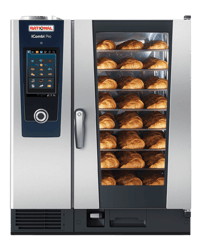 |
RATIONAL iCombi ProThe iCombi Pro combines steam and convection with intelligent cooking controls and production-planning features. It’s worth exploring for teams managing repeatable dishes and varied production demands. |
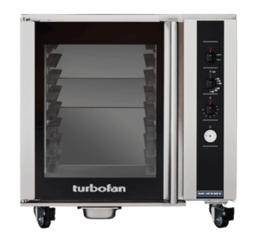
Moffat Turbofan Combi
The iCombi Pro combines steam and convection with intelligent cooking controls and production-planning features. It’s worth exploring for teams managing repeatable dishes and varied production demands. |
|
Compare options with HRS during a free consultation focused on your operation, space, and budget.
Choose Your Next Oven With Expert Guidance
Comparing combi ovens is easier when you have someone helping you connect the features to your kitchen. At HRS, we start with your menu, production volume, and budget to identify options that make sense for your team.
From capacity and controls to utilities and installation, we’ll help you work through the details that affect everyday use and overall cost.
Book a free consultation with our equipment experts. We’ll help you put your budget toward the capacity and capabilities your kitchen needs.
Frequently Asked Questions
Can it replace a steamer and convection oven?
It can handle many of the same tasks. Kitchens that need different cooking conditions simultaneously may still need separate equipment.
Can different foods cook together?
Compatible foods can share a load when the manufacturer’s instructions and cooking program allow it. Conditions, loading, and food-safety requirements must suit the entire batch.
Does combination cooking always save time?
No. Results depend on the recipe, load, and program. Test regular dishes before changing production schedules.
Can it hold food during service?
Some models offer holding functions. Separate holding equipment keeps the oven available for the next batch.
Where should I start?
Start with a free consultation with HRS. Our team will help you compare options based on what you cook, how much you serve, and what you want to spend.