
Ventless Kitchen Equipment: Cook More in Less Space
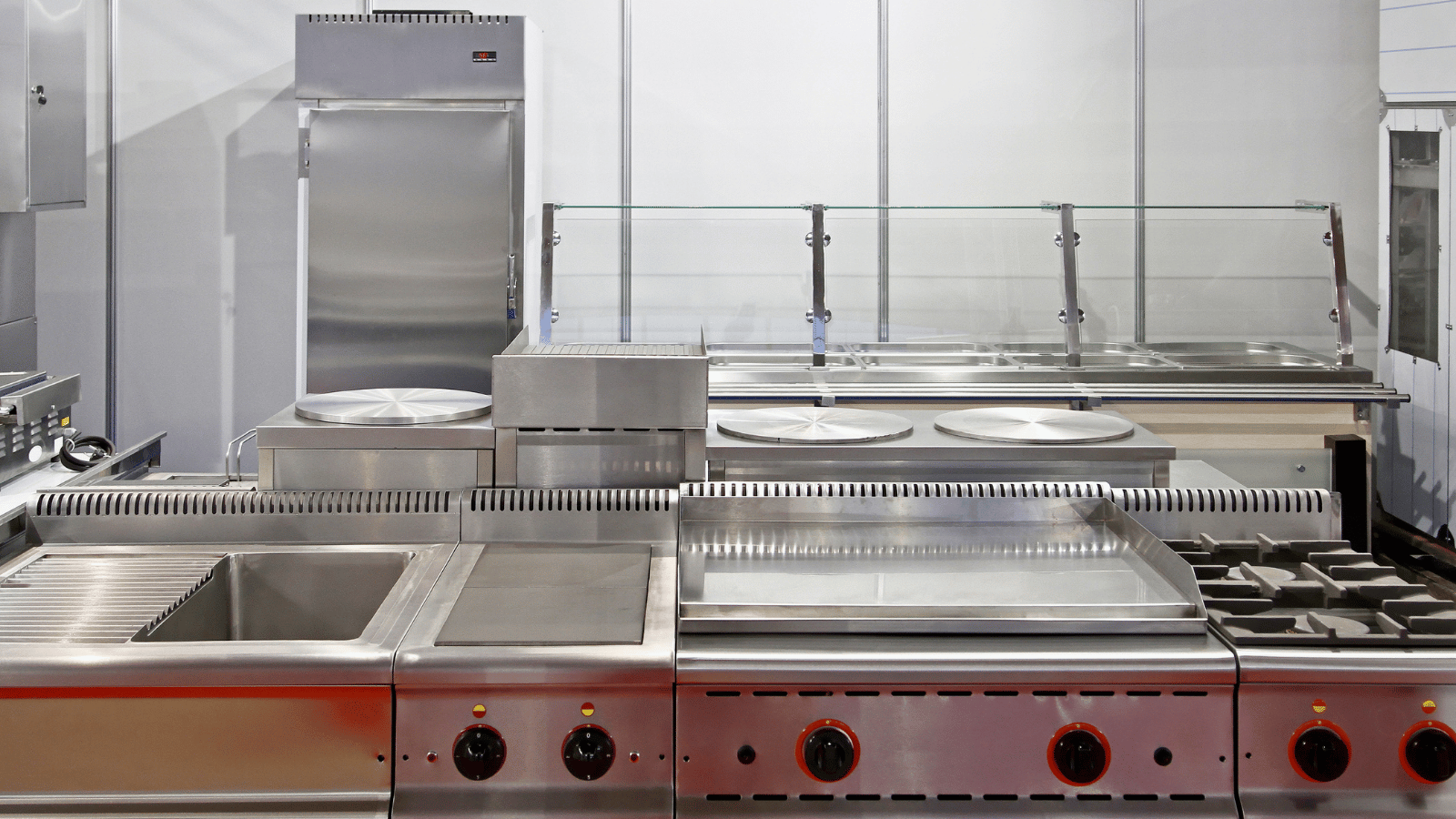
When your ovens are full and the fryer can’t keep up, adding more equipment seems like the obvious answer. But what if there’s no room under the hood—or no practical way to install another one?
Ventless cooking equipment gives you more options. The right setup lets you add a cooking station, move work off the main line, and use space that’s sitting empty.
For owners and chefs, the payoff is practical: more room to cook, less competition for equipment, and a kitchen that works better during the rush.
How ventless equipment works in your kitchen
Ventless equipment uses built-in filters or a paired system to capture and treat cooking emissions without a conventional exhaust duct to the outside. Different models handle different foods and cooking methods.
You still need ventilation in the room. New York’s food-service ventilation regulation requires enough ventilation to control excessive heat, steam, condensation, odors, smoke, and fumes.
Think about what you want to cook and how much you need during a rush. That’s the starting point for finding the right equipment.
Four ways ventless equipment helps your kitchen do more
1. Increase cooking capacity without crowding the main line
During peak service, every oven rack and fryer basket matters. A dedicated ventless station gives roasted sides, fried items, or entrée finishing their own space, freeing the main cookline for other orders. Choose a unit that handles the portions you need during your busiest hour—not just an average shift.
2. Keep food moving efficiently from cooking to plating
A ventless finishing station near the pass shortens the trip from the final cooking step to the plate. Your team spends less time carrying food across the kitchen and working around each other. The main line handles the bulk of the cooking while the finishing station gets assigned dishes ready for service.
3. Turn challenging spaces into productive cooking areas
Running new ductwork isn’t always straightforward. Roof access, building restrictions, and the cost of construction all affect where you can add equipment. An approved ventless setup gives you more options for putting an unused corner or separate service area to work. Our commercial kitchen renovation services help you plan those stations around how your team preps, cooks, and serves.
3. Grow your menu without overloading existing equipment
A new entrée needs more than a spot on the menu. It also needs time in an oven, space in a fryer, and someone to get it out consistently. A dedicated ventless station gives that item its own place in the kitchen, reducing competition for equipment already handling your other dishes. Before buying, try your recipes in the equipment. Check the portion sizes, cooking times, and number of orders it handles at once.
Choose equipment around what you cook and how much you serve
Start with the job you need the equipment to do. Are you roasting pans of vegetables before dinner, keeping up with fried sides, or finishing individual entrées as orders arrive?
| Equipment | Where it earns its place | What to ask |
|---|---|---|
| Combi or convection ovens with a ventless setup | Roasting proteins and vegetables, baking entrées, and reheating prepared food | How many pans fit? Which foods can it handle? How long does each batch take? |
| Ventless fryers | Preparing fried proteins, appetizers, and sides | How much fits in each basket? How quickly is it ready for the next batch? |
| Ventless high-speed ovens | Cooking or finishing individual entrée portions | Does your food cook evenly? How many portions can you turn out during a rush? |
| Cooking stations with built-in filtration | Bringing several cooking tasks together in one area | Which appliances can you use together? Is there enough room to work and clean? |
Check the exact model before making plans. The New York State Mechanical Code, Section 507.1, allows certain recirculating cooking systems to operate without a hood above them when they meet the required listing and installation conditions. Simply choosing an electric appliance doesn’t mean it can run without a hood.
Make sure the equipment keeps up with your busiest shift
A unit that handles a steady trickle of orders might struggle when twenty tickets arrive together. Look at the whole process: loading food, cooking it, unloading it, and getting ready for the next batch.
Walk through these questions with your chef and equipment supplier:
- What are we cooking? Bring your actual menu items and recipes.
- How much do we need? Estimate portions during your busiest hour.
- Who’s working the station? Decide who cooks, finishes, and plates each item.
- Does the space work? Check power, prep space, room to move, and cleaning access.
- Who’s taking care of it? Assign cleaning, filter changes, and service.
Ask for a demonstration using your food and portion sizes. You want to see how the equipment handles the work your team does every day.
[Image: A chef loading full pans into an oven or preparing entrée components at a ventless station.]
Check what your space needs before you order
Get the installation questions answered early so they don’t hold up opening day or interrupt a busy season.
Review New York’s food-service regulations and permit requirements, then check with your local health, building, and fire officials about your planned setup.
Have these details ready:
- Your menu and how much food you expect to prepare.
- A floor plan showing where the equipment will go.
- The exact model and its installation instructions.
- Information about power, filtration, cleaning, and fire protection.
If you lease your space, bring your landlord into the conversation before committing to equipment or building work.
Look at what you gain—and what it costs to run
The price tag doesn’t tell the whole story. Compare equipment, installation, electrical work, filters, cleaning time, and service costs. If a conventional hood is also an option, price out both approaches.
Then look at what the new station does for your kitchen:
- More orders out: Does it give you the extra cooking capacity you need?
- Less waiting for equipment: Does it free up your main ovens or fryers?
- Smoother service: Does it cut down on extra steps and crowded work areas?
- Better use of space: Does it turn an unused area into a useful cooking station?
The best investment solves a problem your team feels every shift and fits into a cleaning routine they can keep up with.
Find a ventless setup that solves your kitchen’s biggest bottleneck
Start with what slows your team down. Is the oven always full? Are fried sides holding up entrées? Do you have space you’d like to use but no easy way to add a hood?
Those answers help you choose equipment that earns its place in your kitchen.
For Rochester-area projects, Monroe County’s Food Protection program offers permit applications, plan-review resources, and guidance for new or remodeled food-service spaces.
At Henrietta Restaurant Supply, we’ll help you work through your menu, busiest shifts, and available space to find the right fit.
Talk with an equipment expert about what you want your kitchen to do next.
Common questions from restaurant owners and chefs
Does ventless equipment mean I don’t need a kitchen hood?
Some systems work without a conventional hood when installed as required. The room still needs ventilation. Check the exact equipment and setup with local officials before ordering.
Can ventless equipment keep up with high-volume service?
Yes, with the right equipment for the job. Check how much it cooks at once, how long each batch takes, and how quickly it’s ready for the next one.
What foods can I cook with ventless equipment?
Depending on the model, you can roast proteins and vegetables, bake entrées, or prepare fried foods. Ask your supplier to confirm that it handles your recipes and cooking methods.
Is ventless equipment less expensive than a traditional setup?
It can reduce the cost of installing a hood and ductwork, but it isn’t always cheaper overall. Include installation, electrical work, filters, cleaning, and service in your comparison.
What maintenance does ventless equipment need?
Expect regular cleaning, filter care, and service based on the manufacturer’s instructions. Make those jobs part of your kitchen’s routine and make sure someone owns them.