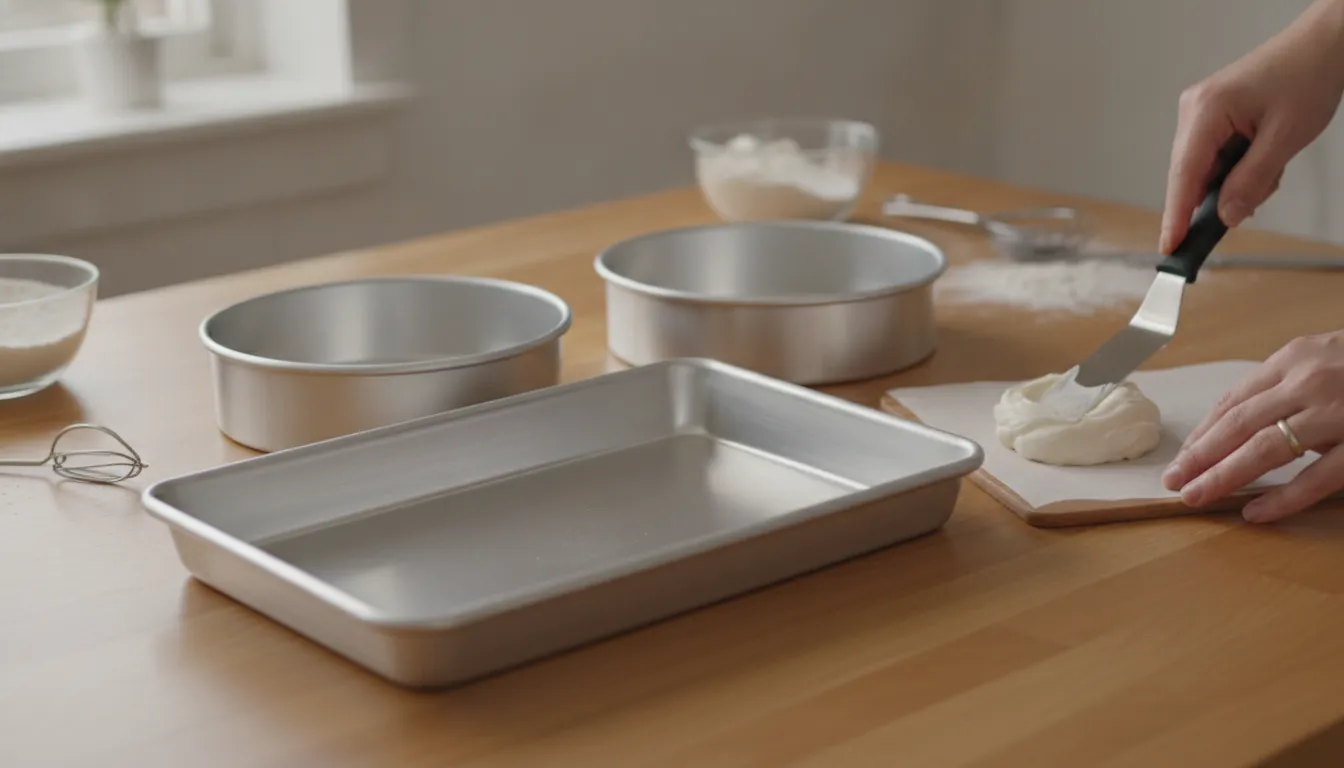
Professional Baking Ingredients Near Me: A Local Guide
A dependable bake starts before the mixer runs. The flour, yeast, flavorings, and other ingredients you choose can affect dough strength, fermentation, flavor, and repeatability. This matters whether you are making a weekend batch or producing pastries for customers.
Get help choosing professional baking ingredients
For professional baking ingredients near me, Rochester-area home bakers and small bakery operators can start with Henrietta Restaurant Supply's professional baking supplies. HRS is open to the public, so you do not need a membership or business license to shop for baking ingredients and supplies. For the broader mix of professional tools and supplies, continue to Home Baking and Prosumer Kitchen Supplies.
Shopping locally is only the first step. A professional approach means matching each ingredient to the recipe, measuring consistently, and storing supplies so they perform as expected. Start by looking at the flour's protein level and the job your recipe needs it to do, then build the rest of your ingredient list around that choice.
Get help choosing baking ingredients and supplies
How to Choose Professional Baking Ingredients Near Me for the Recipe
The best ingredient choice starts with the formula, not the package label. A flour that produces an excellent loaf may make a cake too firm, while a delicate pastry flour may not provide enough structure for a chewy bread. Before shopping, identify the texture, rise, and quantity the recipe requires. Then select ingredients that support those goals and can be measured consistently from one batch to the next.
Match flour protein to the baked good
Protein content is one of the most useful specifications to compare. It affects how much gluten the flour can form, which in turn influences structure and tenderness. Bread, cake, and pastry flours contain different protein levels and are suited to different applications.
- Bread: A higher-protein flour generally supports stronger gluten development and the structure needed for yeast breads.
- Cakes: A lower-protein cake flour helps produce a lighter, more tender crumb.
- Pastries: Pastry flour offers a middle-ground option when you want tenderness without losing all structure.
Protein is not the only variable. Gluten development also depends on mixing, so adjust your mixing approach when changing flour. A different flour may absorb liquid or develop strength differently, even when the recipe name stays the same. Record the flour type and the result so you can refine the formula rather than changing several ingredients at once.
Weigh ingredients for repeatable results
Volume measures can vary because flour settles, scoops pack differently, and ingredients have different densities. Professional baking commonly uses weight-based measurement, including baker's percentages, which express each ingredient in relation to the flour weight. This makes it easier to scale a formula, compare batches, and identify where a result changed.
Use a reliable scale and weigh ingredients in the same order each time. If a recipe provides weights, follow them. If it provides only cups, convert the formula once, then keep your tested weights with the recipe. The chemistry of baking is precise, and changes in ingredient quality or measurement can disrupt the expected reactions and lead to a failed batch. Professional baking references emphasize precision for that reason.
Plan for the recipe and batch size
Choose the smallest quantity that supports your workflow while allowing enough ingredient for accurate testing. For a home baker testing a new cookie, a manageable batch may be more practical than a large format. A bakery or cottage-food operation may need a larger quantity, but should scale by weight and verify that the larger batch mixes and bakes as expected.
Keep the formula's ratios intact when scaling. Do not increase flour without adjusting liquid, fat, sugar, salt, and leavening. When you are comparing professional baking supplies, bring the recipe, desired batch size, and questions about flour function with you. That information helps you choose ingredients for the result you actually need, whether you are making one weekend batch or building a repeatable production routine.
What Makes a Baking Ingredient Professional Grade?
Professional grade does not mean that an ingredient is reserved for a commercial bakery. It means the ingredient is selected for a clear function and dependable performance. A home baker making one birthday cake and a bakery producing several batches may choose different package formats. But both benefit from knowing what the ingredient is expected to do.
Consistency is the first test. Reliable sourcing and clearly defined specifications help a baker repeat a formula from batch to batch. Those specifications may include protein content, functional performance, handling requirements, or the format in which the ingredient is supplied. This matters especially when a small change in flour or leavening affects dough strength, rise, texture, or finished-product stability. Detailed ingredient specifications are therefore more useful than a vague label promising better results.
| Decision | Home-oriented use | Professional-use priority |
|---|---|---|
| Consistency | Choose a product that performs predictably in the recipes you make most often. | Favor dependable specifications and repeatable performance across batches. |
| Format | Select a manageable package that can be stored properly and used before quality declines. | Match bulk or smaller containers to production volume, storage space, and handling routines. |
| Function | Pick flour, yeast, fat, or flavoring for the specific texture and flavor the recipe needs. | Choose ingredients for controlled results, production timing, and the product's required structure. |
| Workflow | Measure carefully and organize ingredients before mixing to make home baking easier. | Use repeatable formulas, weight-based measurement, and efficient ingredient conversion. |
Format is part of function. Bulk ingredients can improve efficiency in a professional kitchen, but only when the team can convert quantities accurately and store them safely. Smaller containers may be the better choice for a home baker or occasional seller. The right format is the one that fits the recipe schedule, available storage, and expected use, not simply the largest one.
Function should guide the choice. Flour protein affects gluten formation, with higher-protein flour generally suited to yeast breads and lower-protein flour better suited to cakes and pastries. See the University of Nebraska-Lincoln flour guidance for the relationship between protein and baking purpose. Professional baking also commonly uses weight-based formulas, including baker's percentages, because scaling by weight makes adjustments easier to track. A professional ingredient is ultimately one that supports a controlled workflow, whether that workflow happens at home or in a busy production kitchen. When you also need pans, decorating tools, or other durable baking smallwares, the broader baking supplies resource covers those adjacent choices.
Which Specialty Ingredients Improve Flavor and Texture?
Once the base formula is sound, specialty ingredients let you adjust the finished bake with much more control. The right chocolate, flavoring, fat, or leavener can change taste, tenderness, color, rise, shelf life, and how reliably a recipe performs from one batch to the next. Choose based on the product you are making and the result you need, rather than treating every premium ingredient as interchangeable.
Build flavor with chocolate, cocoa, and flavorings
Chocolate and cocoa should be selected for the role they play in the recipe. Consider the intensity of the chocolate flavor, the balance of sweetness, and whether the ingredient must melt smoothly, hold its shape, or blend into a dry mix. In delicate pastry work, carefully sourced professional ingredients can support stronger flavor and more consistent results than a general-purpose substitute. Ingredient specifications and sourcing matter most when a product will be made repeatedly.
Flavorings deserve the same attention. A concentrated extract, emulsion, spice, or other flavoring may require a different amount and mixing point. Record what you use so the next batch can be reproduced. For decorated cakes and finished pastries, pair the formula with appropriate professional cake decorating supplies, while keeping the ingredient choice aligned with the cake's flavor profile.
Use color, starches, and sugars for control
Natural colorings can create a more ingredient-focused palette, but their performance depends on the food they are added to. Test a small portion first, especially when acidity, heat, or a dark chocolate base may affect the final shade. Starches can help manage tenderness, thickening, or the structure of a filling. Sugars do more than sweeten: their form and quantity influence browning, moisture, spread, and bite. Make one change at a time when refining a formula, so you can identify which ingredient produced the improvement.
Match fats and leaveners to the finished texture
Fats are functional choices. In professional pastry, precise fat proportions help control tenderness and flakiness. Changing the fat or its quantity can alter the texture even when the method stays the same. Professional baking references emphasize that these ratios are part of the formula, not a minor detail.
Leaveners should match the production timeline and the product. Yeast selection affects fermentation control. Choose a yeast based on the formula, handling method, and production schedule rather than assuming one type fits every bake. Chemical leaveners may suit cakes, biscuits, or quick breads where a predictable rise is needed without fermentation. Whichever leavener you select, keep the type, amount, and mixing method consistent. That discipline turns specialty ingredients from guesswork into a repeatable baking process.
Ask the HRS retail team about your ingredient list
How Should Bakers Store Flour, Yeast, and Other Ingredients?
Receive and inspect every ingredient
When a delivery or shopping trip comes in, check package condition, product identity, and use-by information before putting anything away. Look for torn flour bags, damaged containers, moisture, or signs of pests. Match each ingredient to the recipe or formula it supports. Bread flour, pastry flour, and cake flour are not interchangeable by default. Their protein levels affect gluten formation and determine whether they are better suited to yeast breads, cakes, or pastries. Learn more about choosing flour by protein content.
Label opened packages clearly
Write the product name, the date opened, and the relevant use-by date on every opened bag or container. For a bakery, add the lot or supplier information when your recordkeeping system requires it. Labeling prevents a partial bag from becoming an unidentified ingredient and makes it easier to use older stock first. Keep the formula or production note with the ingredient specifications when consistency matters. Professional baking depends on repeatable measurements, so weigh ingredients and record meaningful substitutions rather than relying on memory.
Put dry ingredients in a cool, dry storage area
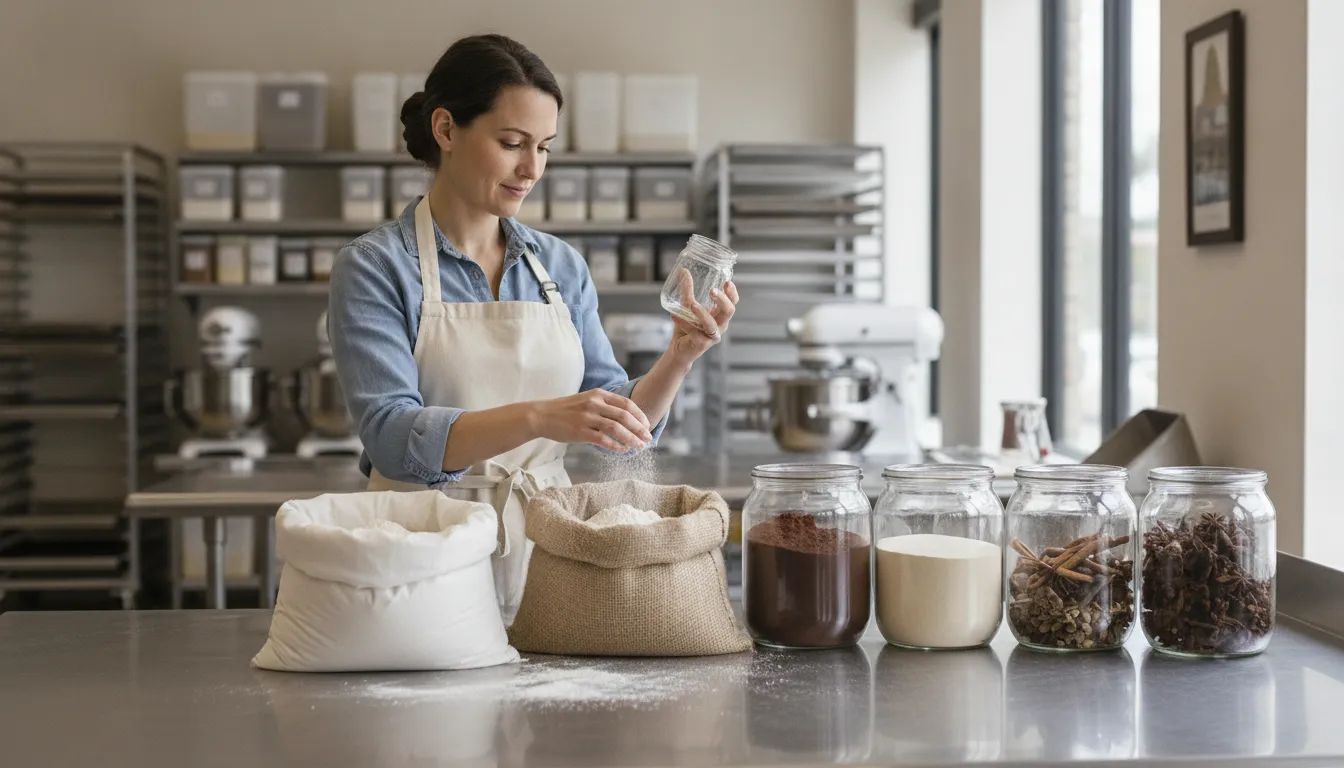
Store flour, sugar, starches, cocoa, and other shelf-stable ingredients in clean, sealed containers away from heat, moisture, and pests. Keep bags off the floor where practical, and avoid creating flour dust when transferring or scooping. Dry, cool conditions help preserve ingredient function and reduce spoilage risk. If your workflow depends on organized storage, baking tools and smallwares can support measured, covered, and orderly handling.
Control yeast and refrigerated ingredients
Follow the storage directions for the yeast format you use, and protect it from unnecessary heat. Yeast activity is temperature-sensitive, so storage and fermentation conditions can change the timing and consistency of a dough. Keep eggs and other egg products refrigerated and use them promptly according to food-safety guidance from the USDA. Record temperature concerns or damaged packaging before an ingredient enters production.
Clean between tasks and manage allergens deliberately
Raw flour is a raw agricultural product and may carry bacteria, so never taste raw dough or batter. Cooking is what makes it safe to eat, according to the CDC. Clean utensils and food-contact surfaces thoroughly after handling raw dough and before working with finished products. In shared kitchens, use an allergen-aware cleaning routine for gluten, soy, nuts, and other ingredients handled in the space. Minimize flour dust, clean surfaces thoroughly, and follow your facility's documented allergen controls rather than assuming a quick wipe is enough. FoodSafety.gov provides additional food-safety guidance by food type.
Where Can Rochester Bakers Buy Ingredients Without a Wholesale License?
Rochester bakers do not need to wait for a wholesale account to shop for professional baking ingredients and supplies. Henrietta Restaurant Supply is open to the public, so home bakers, cottage-food entrepreneurs, pastry professionals. And small bakery operators can ask questions and choose supplies for their actual workflow without a membership or business license. The store is located at 900 Jefferson Rd, Building 2, Suite 204, Rochester, NY 14623.
Start by bringing a short list rather than shopping by package appearance. Note the recipes you make most often, the batch sizes you need, and any ingredient requirements such as bread flour, cake flour, yeast, flavorings, or decorating supplies. Flour protein affects gluten formation, so the right type depends on whether you are producing bread, cakes, or pastries. If you are trying to make a formula more consistent, record the product description and measure ingredients by weight when possible.
At the HRS retail showroom in Rochester, useful questions can include:
- Which flour type best matches the texture and structure I want?
- What package size fits my current production volume and storage space?
- What should I check on the label, such as flour type, allergens, or preparation instructions?
- Which flavorings, yeast, or decorating supplies fit this recipe or finishing method?
- What storage conditions will help protect the ingredient after I take it home or back to the bakery?
These questions help separate a useful professional supply from an impulse purchase. A home baker may need a manageable quantity and a compact storage plan, while a bakery may prioritize repeatability, inventory records, and a dependable replenishment routine. Neither shopper should assume that a particular product, package size, or quantity is available before checking with the store.
Before you leave, compare the selected ingredients with your recipe cards and note what should be reordered next time. If you are unsure where to begin, get help choosing baking supplies from the HRS retail team. That simple conversation can make local shopping more efficient while keeping the final choice tied to your recipes, storage capacity, and production goals.
How Can Bakers Build a Repeatable Ingredient-Sourcing Routine?
Reliable baking starts before mixing. A sourcing routine helps a weekend baker repeat a favorite loaf, gives a cottage-food seller better production records, and helps a small bakery protect consistency across larger batches. The goal is not to buy the largest package. It is to make ingredient choices, receiving checks, and reorder decisions repeatable.
- Record every formula by weight. Keep the ingredient name, package format, lot or date information when available, and gram weight in the recipe file. Professional baking commonly uses baker's percentages, which express each ingredient relative to the flour weight. This makes it easier to scale a formula without quietly changing its balance. Learn more about weight-based professional baking formulas.
- Define reorder points from your own use. Track how much flour, yeast, flavoring, or other ingredient each batch consumes. Then set a reorder point based on your typical production schedule, storage space, and supplier access. Do not copy a generic quantity. A home baker and a bakery may need very different package sizes, and commercial ingredient management often requires converting between bulk and smaller formats. Review ingredient format and conversion guidance.
- Inspect each package when it arrives. Check that the package is sealed, clean, clearly identified, and within its usable date. Compare the product specification with your formula, especially when changing suppliers. Reliable sourcing and consistent specifications support repeatable results from batch to batch. See why supplier consistency matters in baking.
- Test changes in a small batch. When a flour, yeast, or flavoring changes, record the supplier information and test it before using it for a full order. Note mixing behavior, fermentation, spread, texture, flavor, and finished yield. Detailed product specifications can help you identify whether a result changed because of the ingredient or the process. Use product specifications to support ingredient decisions.
Keep the record where the person doing the ordering can use it. Update it after each meaningful change, and retain the result of every test batch. That simple feedback loop turns shopping into a controlled part of the baking process rather than a last-minute substitution.
Get help choosing baking supplies
Frequently Asked Questions
Where can I buy professional baking ingredients near me?
Rochester-area bakers can shop at Henrietta Restaurant Supply, located at 900 Jefferson Rd, Building 2, Suite 204, Rochester, NY 14623. The store is open to the public, so you can ask about professional baking supplies without a membership or business license. Bring your recipe, desired batch size, and ingredient questions so the retail team can help you compare options without assuming you need a commercial quantity.
Are professional baking ingredients available to home bakers?
Yes. Home bakers, serious hobbyists, cottage-food entrepreneurs, and bakery professionals can all choose ingredients based on the recipe and workflow. Professional formats may support repeatability or larger batches, but you do not need to operate a bakery to benefit from dependable flour, yeast, flavorings, or other baking supplies.
What is the difference between home baking ingredients and professional baking supplies?
The main difference is usually consistency, format, and intended workflow rather than a strict quality boundary. Professional baking ingredients are often selected for reliable performance across repeated batches, while home-oriented products may prioritize smaller quantities and versatility. A useful starting point is matching the ingredient to the formula, then measuring by weight when precision matters. Professional baking commonly uses baker's percentages, which relate each ingredient's weight to the flour weight. Professional baking guidance explains this approach.
How do I choose the right flour for a recipe?
Check the flour's protein level and the baked good's structure. Higher-protein flour generally supports yeast breads, while lower-protein flour is better suited to cakes and pastries because protein affects gluten formation. When changing flour, consider how the dough or batter should feel and whether the recipe provides weight-based measurements. University of Nebraska-Lincoln guidance explains how flour protein affects baking performance.
Do I need a wholesale license to buy from a restaurant supply store?
Not at Henrietta Restaurant Supply. The store serves the public, including home bakers, and does not require a membership or business license. If you are unsure which format fits your recipe, production schedule, or storage space, ask the retail team before purchasing so your selection matches your actual needs.
Ready to Choose Your Baking Supplies?
The right ingredients can make recipes more consistent and help you plan purchases around the way you bake. Visit the HRS retail showroom in Rochester, or contact us for help choosing baking ingredients and supplies. The retail team can help you think through your recipe, workflow, and the tools and supplies that support your next batch.