Commercial Work Tables: Types, Uses and Features
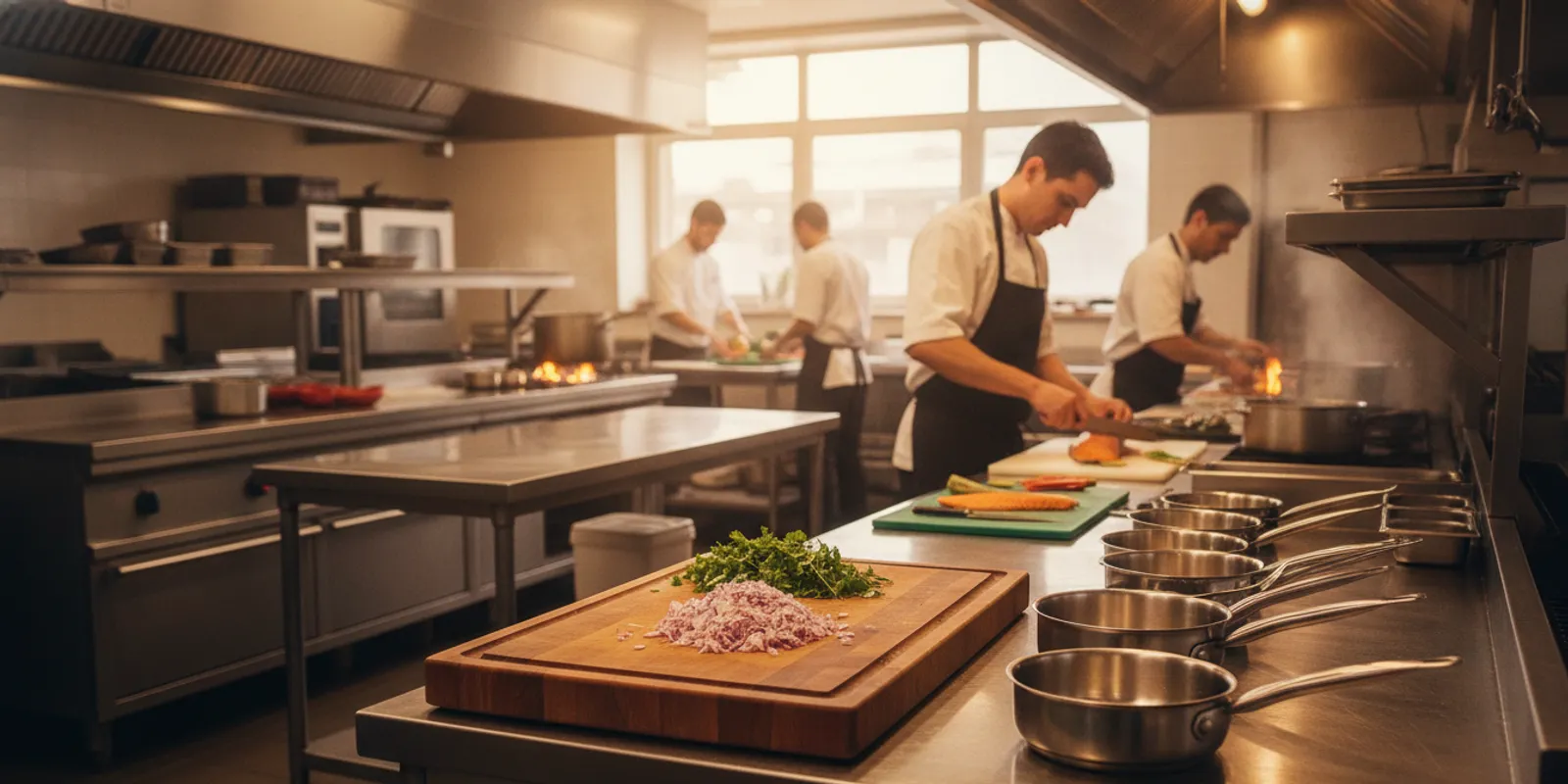
Every great dish starts on a good surface. A sturdy stainless steel work table gives your cooks and bakers a clean, steady place to chop, mix, portion, and plate, and it keeps the tools they reach for most within arm's length. The right table quietly makes each day in the kitchen easier, from the first vegetable cut in the morning to the last pan wiped down at close.
Henrietta Restaurant Supply carries a wide range of commercial work tables for restaurants, bakeries, caterers, and school kitchens across Rochester and Western NY. Our equipment team knows these tables well and helps you choose the styles, tops, and accessories that suit the way your staff cooks.
Talk with our equipment team about the work tables and accessories that suit your kitchen.
A Dependable Prep Surface for Every Kind of Kitchen
Work tables are some of the hardest-working pieces in any commercial kitchen. They hold cutting boards and mixers, stage sheet pans and hotel pans, support countertop equipment, and give extra storage underneath. Because they come in so many styles, the same kitchen often uses several different tables, each set up for its own job.
Types of Work Tables We Supply
Stainless Steel Tables With an Undershelf
This is the classic prep table you see in nearly every professional kitchen. A flat stainless top gives cooks room to work, and the shelf below holds mixing bowls, cutting boards, and backup supplies. Many undershelves are adjustable, so you can raise or lower them to fit bins and pans.
Tables With a Backsplash
A backsplash is a raised lip along the back edge of the table. It keeps food, liquids, and utensils from sliding off the back and protects the wall behind the table from splashes. Kitchens usually choose these tables for spots that sit against a wall.
Open-Base and Cabinet-Base Tables
Open-base tables stand on four legs with an open shelf or no shelf at all, which makes the floor beneath them easy to sweep and mop. Cabinet-base tables enclose the storage area with doors, keeping supplies covered and out of sight. Cabinet bases work especially well near dining rooms or in serving areas where guests can see the kitchen.
Mobile Tables on Casters
A mobile table rolls on sturdy wheels called casters, so your team can move it wherever the work is happening. Caterers roll them into a staging area to pack an event order, and school kitchens move them to a serving line at lunchtime. Mobile tables also make deep cleaning easier because staff can roll them aside to reach the floor and wall behind them.
Equipment Stands
Equipment stands are shorter, heavy-duty tables built to hold countertop equipment such as griddles, charbroilers, mixers, and slicers. Their lower height puts cooking surfaces at a comfortable working level, and their reinforced frames carry the extra weight. Many include an undershelf for pans and tools that go with the equipment on top.
Wood and Poly Tops for Bakers
Bakers often prefer a maple butcher-block or poly (food-safe plastic) top for rolling dough and shaping pastry. Wood stays a little warmer to the touch than steel and gives dough a gentle grip, while poly tops are lightweight and easy to sanitize. These tops pair nicely with a stainless base and undershelf for flour bins and sheet pans.
Sink and Drawer Add-Ons
Many tables can include a built-in prep sink, which gives cooks a place to rinse produce right at the station. Drawers mount under the top to hold knives, scoops, thermometers, and small tools. Both add-ons save steps by keeping water and utensils exactly where your team prepares food.
Why Stainless Steel Remains the Kitchen Favorite
Stainless steel is smooth, nonporous, and stands up to daily scrubbing and sanitizing, which helps kitchens keep prep surfaces clean and food safe. It resists rust and handles heavy pots, hot pans, and constant use for years. A quality stainless table keeps its clean, professional look long after cheaper materials show wear.
Work tables also give you flexibility as your menu changes. You can add an overshelf, swap in a mobile base, or rearrange tables to open up a new station without a major renovation. Combined with shelves, cabinets, and drawers, they add storage right where food is prepared, so cooks spend less time walking to a storeroom.
Helpful Features and Accessories
A few simple features make a work table more comfortable and useful for your team. Here are the accessories and details we recommend most often:
- Locking casters: Wheels with brakes let a mobile table roll easily and then stay firmly in place while staff work on it.
- Overshelves: A shelf mounted above the table keeps spices, plates, or containers at eye level and frees up space on the top.
- Adjustable feet: Screw-type feet raise or lower each leg slightly, so the table sits level and steady on an uneven floor.
- NSF listing: This mark shows the table meets public health standards for food equipment, which health inspectors look for in commercial kitchens.
- Rounded front edges: A smoothly curved edge is easier on wrists and forearms during long prep sessions.
- Pot racks and cutting board holders: These attach to the table to keep cookware and boards organized and ready.
Our team explains the differences between models in plain terms and points out which features make the biggest difference at each station. That way, you invest in the details your staff will actually use.
How Different Kitchens Put Work Tables to Use
Restaurant Prep Areas
Restaurant kitchens rely on work tables for chopping vegetables, trimming proteins, and assembling dishes before service. A row of stainless tables with undershelves creates an organized prep area, and an overshelf above the line holds plates and garnishes within easy reach.
Bakeries and Pastry Kitchens
Bakers use wood or poly-topped tables for mixing, kneading, and shaping, often with flour bins and sheet pans stored below. A separate stainless table nearby gives decorators a clean surface for finishing cakes and packing orders into bakery boxes.
Catering Kitchens
Caterers depend on mobile tables to stage food, pack transport carriers, and organize equipment before an event. Locking casters let the team roll a loaded table to the loading area and keep it steady while they work.
School and Institutional Kitchens
School kitchens use work tables for batch prep, portioning, and setting up serving lines for each lunch period. Mobile tables help foodservice directors rearrange a cafeteria line for different menus, and cabinet-base tables keep supplies neat in areas students can see.
Many kitchens combine several of these setups, with fixed tables along the walls and a mobile table that moves where extra hands are needed. For more ideas on arranging stations, read our guide to organizing a commercial kitchen.
How Our Team Helps From Selection to Installation
We start by talking with you about the dishes you prepare, how your staff moves through the kitchen, and where you need more workspace or storage. During a free kitchen consultation, we measure the space and recommend table sizes, tops, and accessories that suit each station. We then compare options and pricing with you, drawing on strong manufacturer relationships to source styles beyond what we keep in our showroom.
Once you choose your tables, we coordinate equipment delivery to your restaurant, bakery, or school kitchen and confirm who will receive it and where it should go. Our team works with you and your contractors to place, assemble, and level each table, so your staff can start using them right away. Learn more about our commercial equipment services and the full range of commercial kitchen equipment we supply.
Request a free consultation and our Rochester team will help you choose and install the right tables.
Frequently Asked Questions
What is the difference between a work table and an equipment stand?
A work table sits at counter height for prep work. An equipment stand is lower and more heavily built, so it holds griddles, mixers, and other countertop equipment at a comfortable cooking height.
Are wood tops safe for a commercial bakery?
Yes. Maple butcher-block tops are a long-standing bakery favorite for dough work. Keep them clean, dry, and oiled as the manufacturer directs, and use a stainless table for raw meat prep.
What does NSF listing mean on a work table?
NSF listing means the table meets recognized public health standards for food equipment materials, design, and cleanability. Health inspectors look for this mark in commercial kitchens.
Does Henrietta Restaurant Supply deliver and install work tables?
Yes. We coordinate equipment delivery throughout the Rochester area and work with you and your contractors to place, assemble, and level each table in your kitchen.