How to Choose Commercial Dinnerware for Your Restaurant

Selecting commercial dinnerware starts with your menu and the way your team works. The right pieces give your best-selling entrée enough room, feel comfortable in a server’s hands, and stack neatly in the dish pit. Easy reordering keeps a few broken plates from becoming another problem on your list.
Choose Dinnerware with a Busy Shift in Mind
Tableware is part of the service system. Each piece needs to present food well, move safely through the dining room, and work with the way your staff plate, carry, wash, store, and replenish supplies. A beautiful piece that slows a busy shift or cannot be reordered consistently may not be the right everyday choice.
1. Start with menu presentation and service style
A plate can look great in a catalog and still be a headache during dinner service. A wide rim leaves little room for the fries. A shallow bowl sends pasta sauce toward the edge. Suddenly, cooks are adjusting portions or rearranging food to make everything fit.
Try your busiest dishes on sample pieces at their usual portions. A signature entrée should fit without the cook rebuilding the plate every time. If plating takes extra fuss at 3 p.m., it won’t get easier at 7.
2. Compare the tableware materials and products that fit your operation
Choose materials around the job each piece will do. Everyday entrée plates move through repeated dinner services, while catered events bring different carrying, stacking, and setup demands.
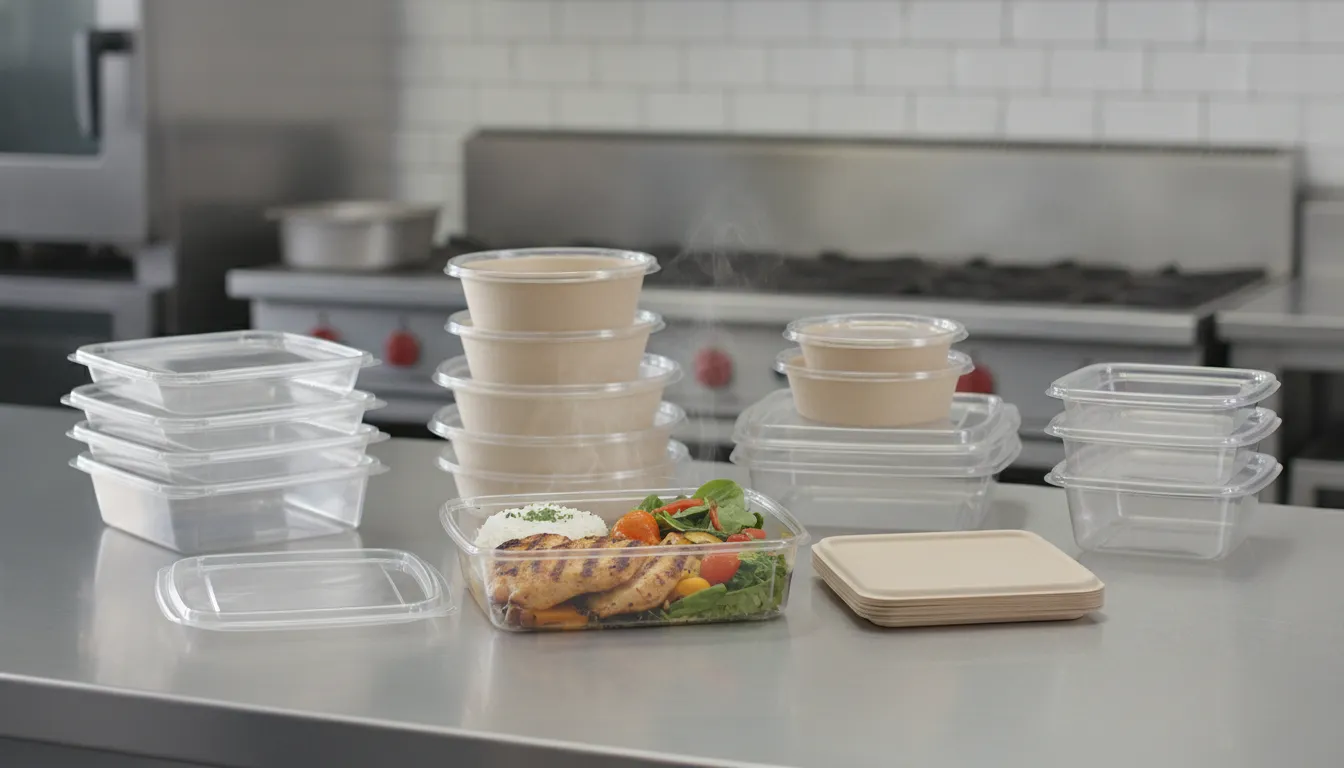
Henrietta Restaurant Supply’s selection includes high-volume china, melamine, heavy-duty plastic foodservice tableware, high-end glassware, cutlery, utensils, and tabletop supplies. Compare each product’s intended use and care instructions with your routine, then add specialty pieces where they improve service or presentation.
|
Material |
Where it may fit |
Questions for your operation |
|---|---|---|
|
China or porcelain |
Dining rooms, hotels, and other settings where a coordinated, refined presentation matters. |
Does the piece feel right in service? Can the pattern and size be reordered consistently? |
|
Stoneware |
Restaurants that want a substantial feel or a distinctive finish that supports the menu. |
Can staff stack and carry it comfortably? Does the finish work with the full place setting? |
|
Melamine |
Service settings that need a specific combination of appearance, weight, and handling performance. |
What care, temperature, microwave, and cleaning limits apply to this exact item? |
|
Heavy-duty plastic |
Catering, events, outdoor service, or other operations that need sturdy foodservice tableware. |
Is the product designed for your intended foodservice use and service conditions? |
Do not assume a material name alone tells you whether a piece is durable or appropriate. Ask about the specific item's intended use, handling guidance, care requirements, and replacement availability. The FDA Food Code 2026 provides a neutral food-safety reference, while local health authorities remain the final source for requirements that apply to your operation.
3. Follow the Plate Through the Restaurant
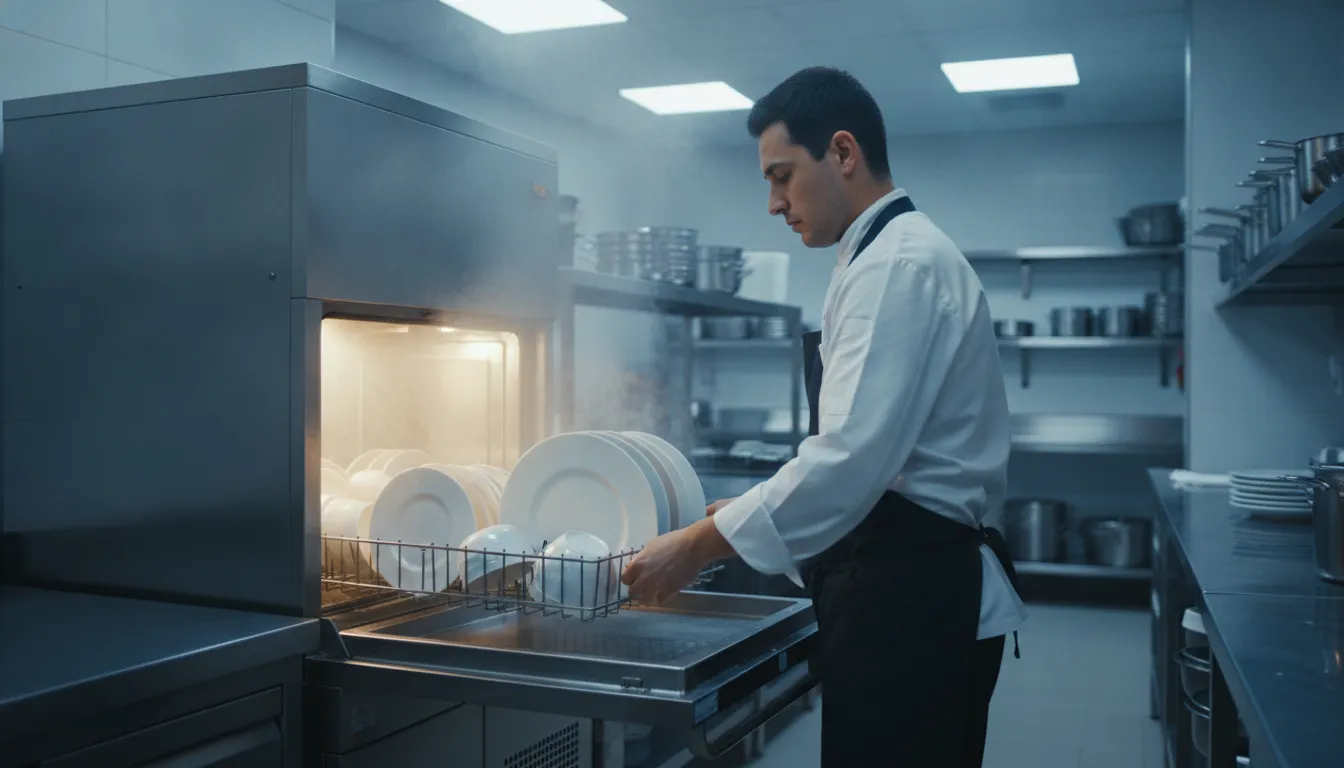
A piece needs to work at every stop: the pass, the table, the dish pit, and the shelf.
An empty plate may feel comfortable until a server carries three loaded ones to the far corner of the dining room. A tall bowl may look great with soup but stack awkwardly where dish staff put it away.
Have your team carry and stack samples, and compare their dimensions with your storage and racks. Confirm each product’s intended use and care requirements so it fits the routine you run.
4. Buy for the Rush—and the Next Reorder
Forty seats do not automatically mean forty dinner plates. Some will be on tables, others waiting to be washed, and more needed at the pass.
Build quantities around peak demand and washing turnaround, especially for the pieces your best sellers use. Then confirm how easily you can reorder the same sizes and styles. Save item numbers so the next order doesn’t depend on someone recognizing a bowl from a photo.
Price matters, but so do storage, handling, and replacements. A small saving per piece can disappear when the selection adds work every shift.
7. Use Rochester-area support when you compare options
Find your next dinnerware collection with a team that knows the industry. Henrietta Restaurant Supply brings strong vendor connections and leading tableware brands to the conversation, helping you compare options with your daily operation in mind.
Contact us to get started. Tell us what you serve, what needs replacing, and what isn’t working. We’ll help narrow your choices and arrange a closer look at available samples in-store.
Frequently Asked Questions
How many dinnerware pieces should a restaurant order?
Start with the number needed for peak service, then account for pieces being used, washed, and ready for the next seating. Your menu, service pace, washing capacity, and event schedule affect the quantity, so map your own service cycle before setting the order.
Should every dish use the same plate?
Not necessarily. A consistent core set can make storage and service simpler, while a small number of specialty pieces may suit dishes that need a different shape or presentation. Keep variations limited enough that staff can identify and replenish them easily.
What should I check before ordering dinnerware?
Test actual portions on sample pieces, check how they feel when carried, measure storage and rack fit, and review care instructions. Ask whether replacement pieces can be reordered and involve staff from the kitchen, dining room, service floor, and dish area in the decision.
Can a restaurant use more than one tableware material?
Yes, when each material has a clear purpose and the team can store, identify, and replenish it without confusion. Keep the everyday setting consistent, then use china, melamine, heavy-duty plastic, or other specialty pieces selectively for menu items and service settings that benefit from them.
The best dinnerware is the set your team can present well, handle comfortably, wash, store, and replace with confidence. Compare real samples against your menu and service model, then choose the tableware mix that fits how your operation serves guests.