NSF Certified Kitchen Equipment Benefits for Foodservice
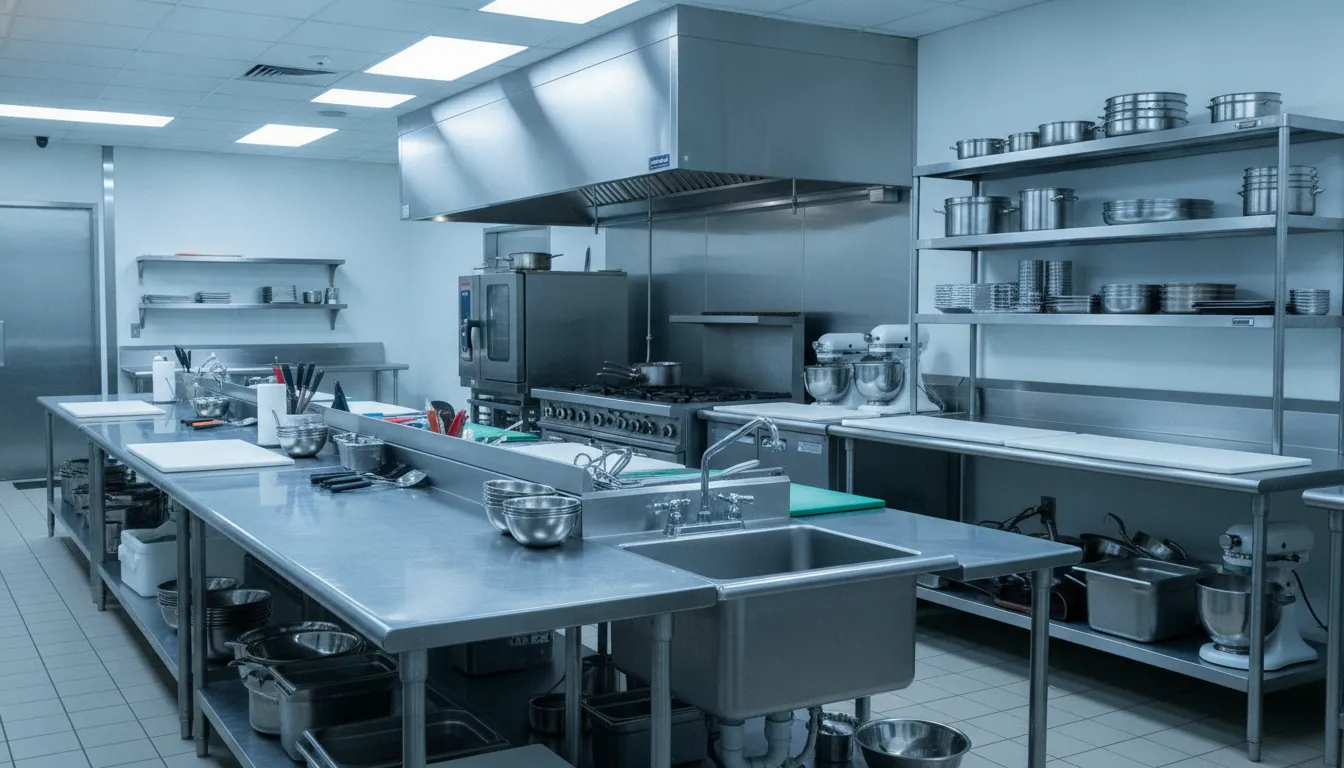
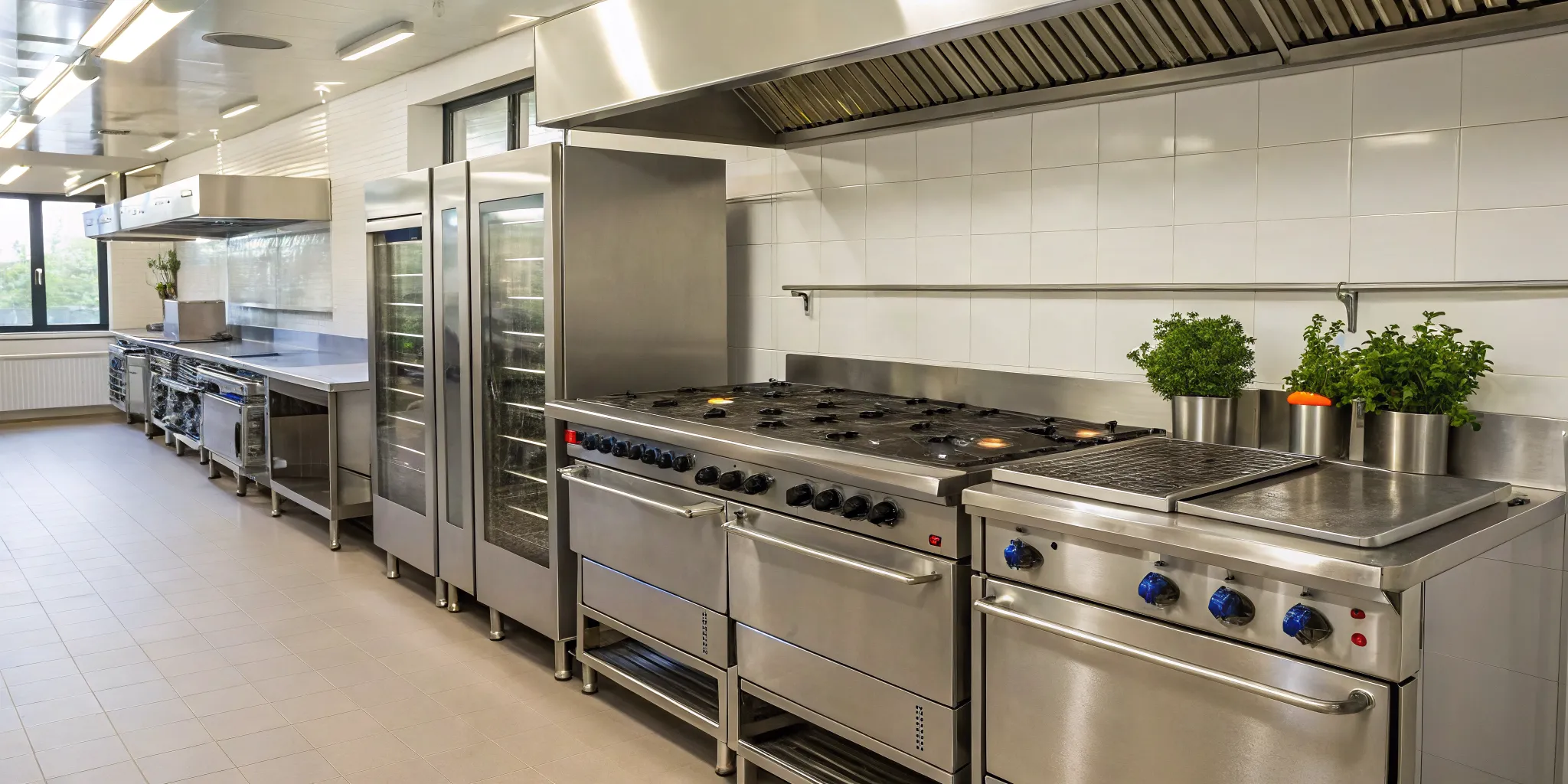
In a commercial kitchen, a piece of equipment has to do more than perform its immediate job. It also needs to support safe food handling, routine cleaning, dependable maintenance, and the pace of service. That matters whether you are outfitting a Rochester restaurant, expanding a catering operation, or planning a kitchen for a school or healthcare facility.
Why NSF Certified Equipment Matters for Your Kitchen
When you see an NSF certification on kitchen gear, it means the equipment is built for real-world foodservice: easy to clean, simple to sanitize, and made with safe materials. While an NSF mark is a great indicator of quality and sanitation standards (which the FDA recognizes), it’s only part of the puzzle. You’ll still need to make sure everything is installed correctly, maintained regularly, and meets your local health department’s rules.
Understanding what these certifications mean—and which ones apply to your specific tools—makes it much easier to compare options and pick equipment that fits your daily setup.
Need guidance on picking the right gear? Talk with HRS about your commercial equipment project.
What Does NSF Certification Actually Mean for Your Kitchen?
When you see an NSF mark on a product page, it’s more than just a official-looking logo. It means an independent third party tested that specific model to ensure it meets high standards for sanitation and cleanability.
The FDA recognizes these standards (like NSF/ANSI 2 for food equipment) as reliable indicators of good sanitary design. Seeing an NSF certification gives you peace of mind that the gear you’re buying was engineered with food safety in mind.
A manufacturer’s claim isn't the same as a official certification
A sales page might describe a product as "commercial grade" or "easy to sanitize". While those descriptions sound great, they aren't the same as an official third-party certification. Always double-check that the exact model number and setup you’re buying are officially certified rather than assuming a whole product line is covered.
What NSF certification won't do
An NSF mark is a great tool, but it isn't a silver bullet. It doesn't replace proper installation, routine cleaning schedules, staff training, or preventative maintenance. Think of certification as a solid foundation—you still need good daily habits and kitchen planning to keep everything running smoothly.
Key Benefits of NSF Certified Equipment
For a busy foodservice operation, the practical value of certified equipment is tied to how easily the kitchen can keep surfaces clean, maintain equipment, and control contamination risks.
Easy-to-clean surfaces make closing shifts faster
Food prep tools and appliances need to be easy to scrub down so your team can prevent cross-contamination and allergen risks. When choosing commercial food preparation equipment, think about your team’s nightly routine:
-
Accessibility: Can staff easily reach every nook and cranny where food particles gather?
-
Removable Parts: Are components simple to pop off, wash, and snap back into place during service?
-
Placement & Spacing: Is the machine positioned with enough clearance so you can easily clean around and behind it?
Why Proper Installation Matters
Smart layout decisions go hand-in-hand with daily hygiene. Instead of wedging equipment into tight spots that leave hard-to-reach gaps, position units so staff can access both the machine and nearby walls or floors. Good access makes routine scrubbing far more practical and helps maintenance technicians spot potential mechanical issues before they disrupt your service.
These guidelines for equipment design and cleanable layouts are outlined in federal standards under 21 CFR 117.40.
Quality materials and smooth seams prevent hidden grime
Food-contact surfaces need to be tough enough to handle constant moisture, food acids, heavy scrubbing, and strong sanitizers without rusting or breaking down.
Pay close attention to seams and joints. Smooth, tightly sealed seams don't leave cracks for food bits, grease, and moisture to hide. Fewer hidden cracks mean less chance for bacteria to grow and a much safer environment for your customers.
Smart design helps prevent everyday accidents
Certified equipment is built to keep foreign contaminants—like machinery lubricants, metal shavings, or wastewater—far away from your ingredients.
When comparing models, review how the unit handles everyday use alongside HRS’s commercial food storage and handling solutions to ensure your layout keeps prep areas clean and accessible.
Which Commercial Equipment Categories Should Buyers Check?
The right safety standard for a piece of gear depends on what the machine actually does, which parts touch food, and how you’ll use it in your daily operation.
To make evaluating equipment simpler, the FDA recognizes consensus-developed American National Standards as reliable guidelines for sanitary kitchen design. The FDA also notes that standards from other accredited testing groups or government agencies can be used to judge how cleanable and safe a machine is. You can review the full source list directly in the FDA food-equipment standards fact sheet.
Think of the standard categories below as a helpful starting point when comparing options, rather than a one-size-fits-all rule:
| Equipment category | Standard | What to confirm |
|---|---|---|
| Dishwashers & Warewashing | NSF/ANSI 3 | Confirm the dishwasher or washing system is certified for your specific temperature and volume needs. |
| Ovens, Ranges & Hot Holding | NSF/ANSI 4 | Make sure the unit’s heating power, configuration, and intended use match the standard's scope. |
| Refrigerators & Freezers | NSF/ANSI 7 | Verify model-specific construction and listing details for commercial cold storage. |
| Food Prep Machines (Mixers, Slicers) | NSF/ANSI 8 | Ensure the exact power unit and food-contact attachments are covered for your prep type. |
| Commercial Ice Machines | NSF/ANSI 12 | Check that both the ice-making head unit and the storage bin correspond to the certified model listing. |
| Materials & Finishes | NSF/ANSI 51 | Confirm that all surfaces coming into contact with food use non-toxic, non-corrosive materials. |
Note: Specialized or custom machines might fall under different standards, so always ask your supplier for the exact model's official documentation rather than relying on general terms like "sanitary design."
Does NSF Certification Replace Rochester Health Dept Requirements?
In short: No. While local inspectors love seeing NSF-certified gear, a badge on a machine doesn't automatically mean your entire kitchen layout passes local code.
Certification is just one part of your buildout
An NSF mark proves the machine itself was made safely, but it doesn't plan your floor layout, connect your plumbing, or verify that your water heater is big enough. Local health codes look at the bigger picture:
-
Clearance & Spacing: Can inspectors and cleaning staff reach around the equipment?
-
Temperature Monitoring: Do your fridges and freezers have accurate, built-in thermometers to protect perishable food?
-
Utility Connections: Are drainage lines, gas hookups, and ventilation hoods installed to local code?
Plan around local codes and daily workflow
When opening or renovating a foodservice venue in Rochester or Western New York, you want your equipment, layout, and health code planning to work together seamlessly. Taking time to plan utility access and workflow before ordering prevents costly surprises during inspector walkthroughs.
6-Step Checklist: How to Verify Equipment Claims Before Buying
Before placing a major equipment order, use this quick checklist to make sure you’re getting exactly what your kitchen needs:
-
Focus on the machine’s main job: Match the unit to its standard (e.g., NSF 7 for cold storage, NSF 4 for cooking).
-
Get the full model number: Request full spec sheets including model suffixes—sometimes only specific sub-models carry the listing.
-
Verify the listing online: Search the manufacturer or certifier’s database directly rather than relying solely on a marketing flyer.
-
Evaluate daily cleanability: Check how easy it is to disassemble blades, guards, or trays for nightly washing.
-
Coordinate with your local layout: Make sure the unit’s dimensions, utility draws, and door swings fit your space. Explore HRS’s commercial equipment solutions for expert help matching gear to your floor plan.
-
Keep records handy: Store manuals, spec sheets, and warranty info together so your service techs and health inspectors can review them easily.
Ready to Plan Your Rochester-Area Kitchen?
Selecting the right commercial gear doesn't have to be confusing. The team at HRS is here to help you review equipment specs, navigate local requirements, and build an efficient kitchen that fits your budget.
Contact us about your commercial equipment project to speak with an HRS equipment specialist today!
Frequently Asked Questions
What are the main benefits of NSF equipment?
It gives you confidence that the equipment uses safe materials, features smooth and easy-to-clean surfaces, and was designed to keep food safe from contamination. See the FDA food-equipment standards guidance.
Does all commercial kitchen equipment have to be NSF certified?
Not necessarily. Requirements vary depending on local health codes, the type of facility you operate, and how the gear is used. However, certified equipment makes passing inspections much simpler.
Is NSF certification required in Rochester, NY?
While not every single utensil requires it, health inspectors heavily prefer or require certified units for core holding, cooking, prep, and refrigeration equipment.
Does NSF mean an item is "food grade"?
Yes, it indicates the materials used on food-contact surfaces are non-toxic, non-corrosive, and won't leach chemicals into your ingredients. Review the applicable equipment and food-contact requirements.