Restaurant Shelving and Storage Solutions for Safer Workflows
Restaurant shelving and storage solutions do more than hold ingredients and supplies. The right system keeps food off the floor, makes stock easier to inspect, shortens walks during prep, and gives every item a predictable home. For Rochester-area restaurant operators, the best setup starts with the work your team does every day, then matches shelving, bins, racks, and clearances to that workflow.
Talk with the HRS team about commercial shelving and storage for your kitchen.
How do you choose restaurant shelving and storage solutions?
Start by mapping what needs to be stored, how often it is handled, and which items must stay close to a prep or service station. Then choose cleanable, load-appropriate storage that leaves clear paths and supports your receiving, rotation, and closing routines.
1. Match each storage area to its job
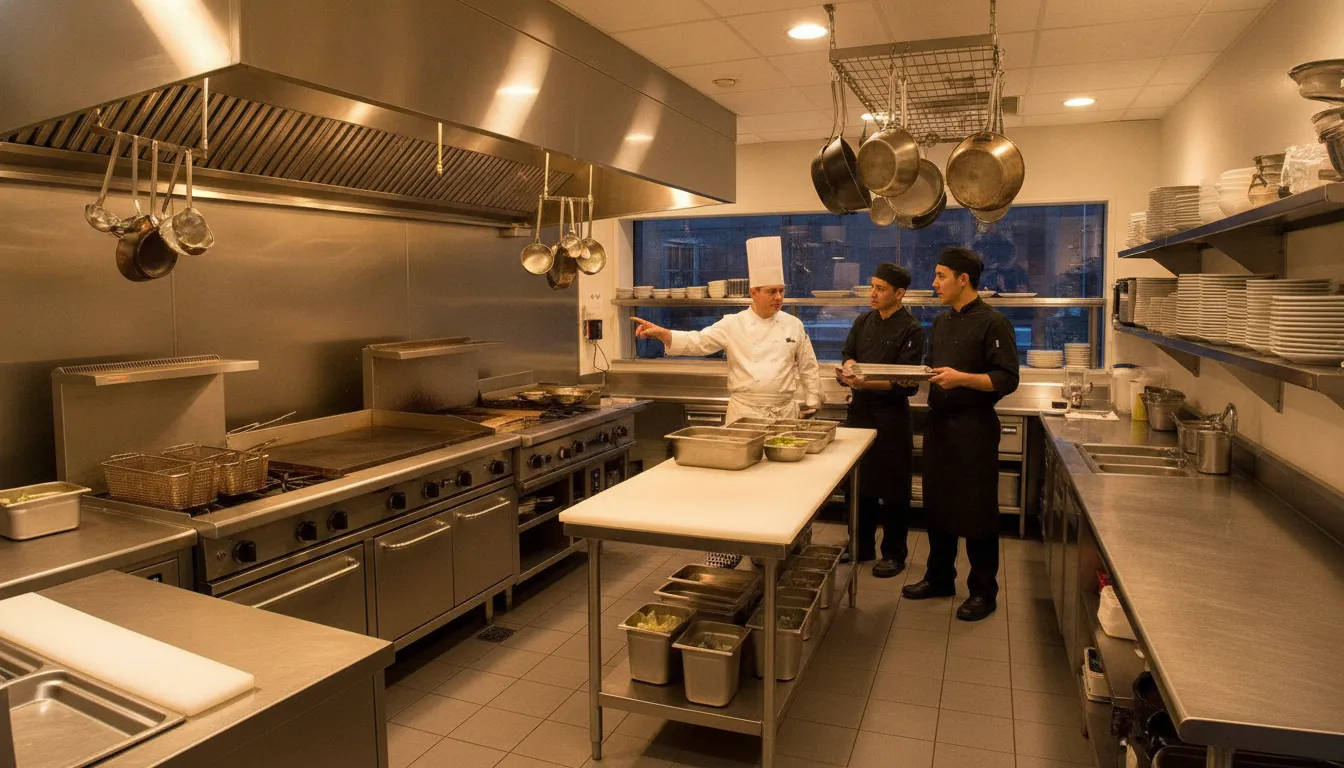
Storage works best when it follows the movement of food and supplies. Keep incoming deliveries near the receiving area long enough to check quantities, packaging, and condition. Move shelf-stable ingredients into organized dry storage, place frequently used prep supplies near the prep area, and keep service items close to the point where staff use them.
This does not mean every item belongs within arm's reach. Reserve prime locations for high-use items and use higher or less convenient shelves for backup stock. That simple distinction reduces reaching, searching, and unnecessary traffic during a busy shift.
2. Select shelving for cleanability and durability
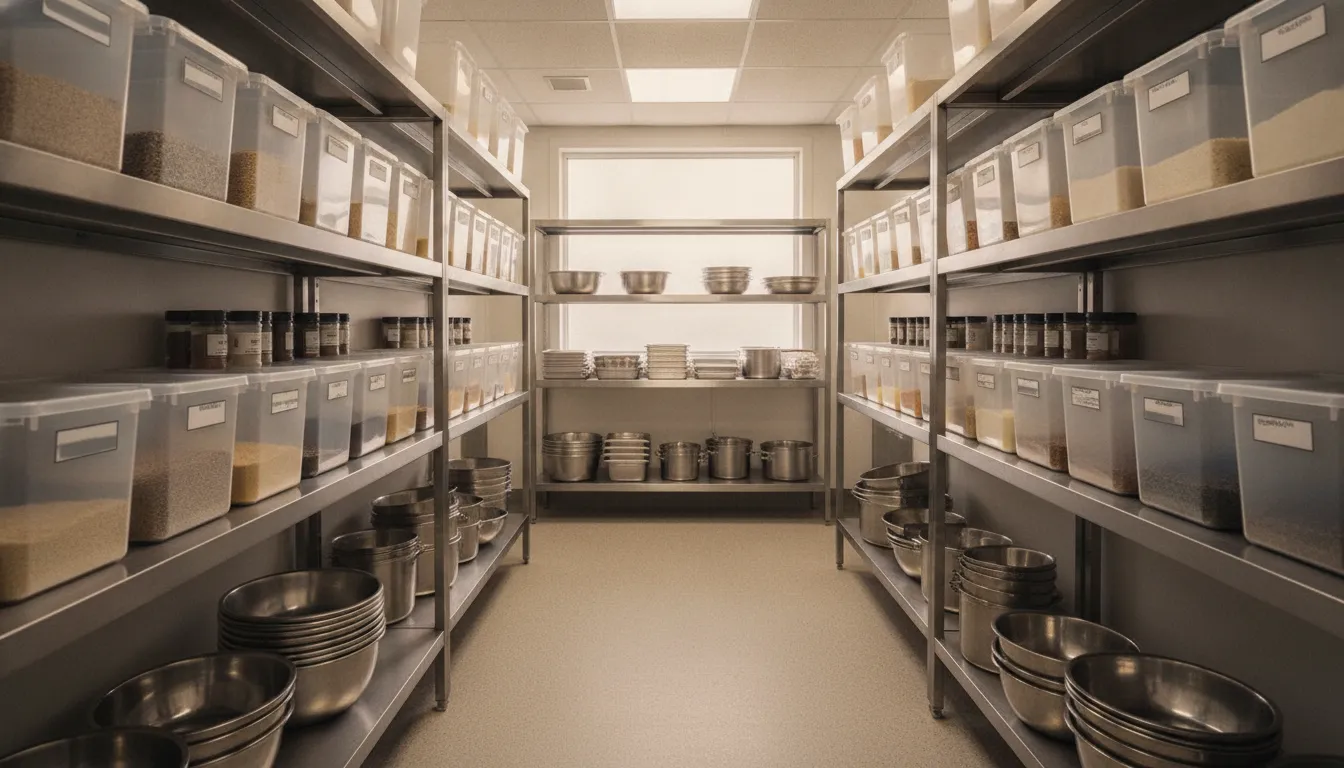
Commercial shelving should stand up to daily loading, wiping, and inspection. Stainless steel is a practical choice in many foodservice areas because it is durable and easy to clean. Coated or polymer shelving may also fit selected dry-storage applications, provided the system is appropriate for the environment and expected load.
- Choose smooth, accessible surfaces that staff can wipe without working around hard-to-reach gaps.
- Confirm that shelf depth fits the containers, pans, and cartons you actually use.
- Check the rated capacity for each shelf and distribute weight rather than overloading one level.
- Use adjustable shelves when product sizes change with the menu or season.
For food-contact supplies and ingredient storage, pair shelving with commercial food storage tools that are sized, labeled, and easy for the team to handle.
3. Keep ingredients protected and easy to rotate
Storage should support the first-in, first-out routine your team uses for perishable and shelf-stable ingredients. Label containers with the product name and the date received or opened, then place newer stock behind older stock. Keep labels facing the aisle so staff can check inventory without pulling every container forward.
Leave enough space to see and clean around stored items. Do not pack shelves so tightly that containers become difficult to remove, or so loosely that the system wastes valuable floor space. A short weekly check can identify damaged containers, expired stock, and shelves that no longer match the menu.
4. Use racks and stands to protect floors and free work surfaces
Sheet pans, pots, mixing bowls, and backup supplies can quickly take over prep tables and walkways. Dedicated racks and stands move those items into a defined storage location, helping staff keep work surfaces available for food preparation.
Choose the storage format around the item. Sheet pan racks need enough vertical spacing for the pans your bakery or kitchen uses. Dunnage-style storage can keep appropriate supplies elevated in a dry-storage area, while wall shelving can put lightweight, frequently used items within reach without consuming floor space.
5. Plan clearances before ordering
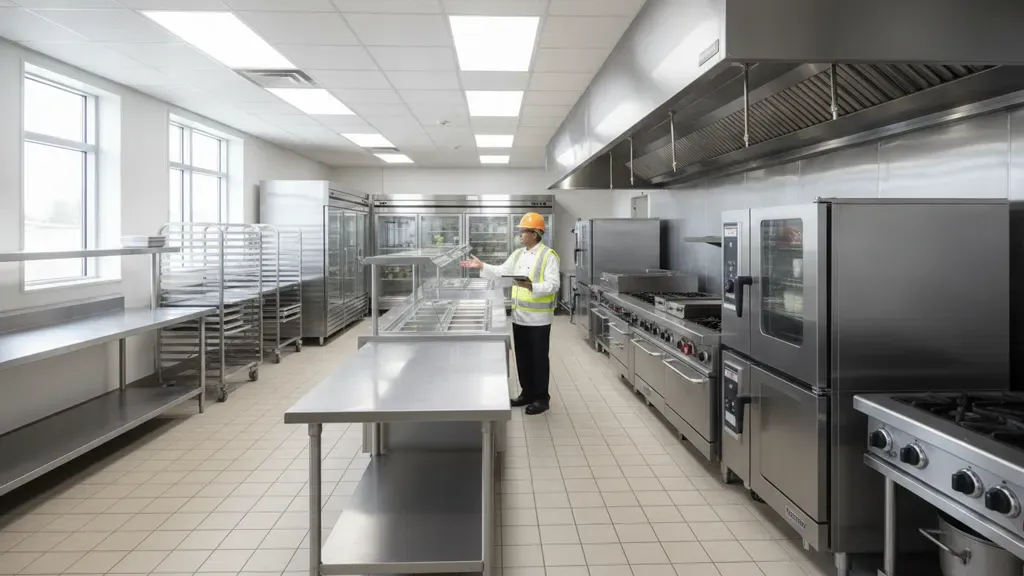
Measure the room, doors, turns, fixed equipment, and the path used to move deliveries. A shelving unit that fits on paper may still create a bottleneck if carts cannot pass or if staff must turn sideways to reach a prep station. Mark the proposed footprint with tape before ordering, then walk the route while carrying a representative box or pan.
Keep aisles visibly clear and avoid placing storage where it blocks handwashing, fire-safety equipment, exits, or access needed to clean floors and walls. Local requirements can vary by facility and jurisdiction. Use the FDA Food Code 2022 as a food-safety reference, then confirm applicable requirements with the authority overseeing your Rochester-area operation.
Ask HRS to help plan a commercial storage layout around your menu, space, and daily volume.
6. Make labels and inventory ownership part of the system
Even well-built restaurant storage fails when no one owns the routine. Assign responsibility for receiving checks, date labels, shelf resets, and weekly inventory review. Use consistent names on labels and group related items together, such as baking ingredients, dry goods, serviceware, or cleaning supplies.
Keep cleaning chemicals separate from food, food-contact items, and packaging. Give staff a simple closing checklist that covers empty boxes, spills, misplaced supplies, and shelves that need attention. Clear ownership turns storage from a one-time installation into a safer operating system.
7. Plan with a local commercial supplier
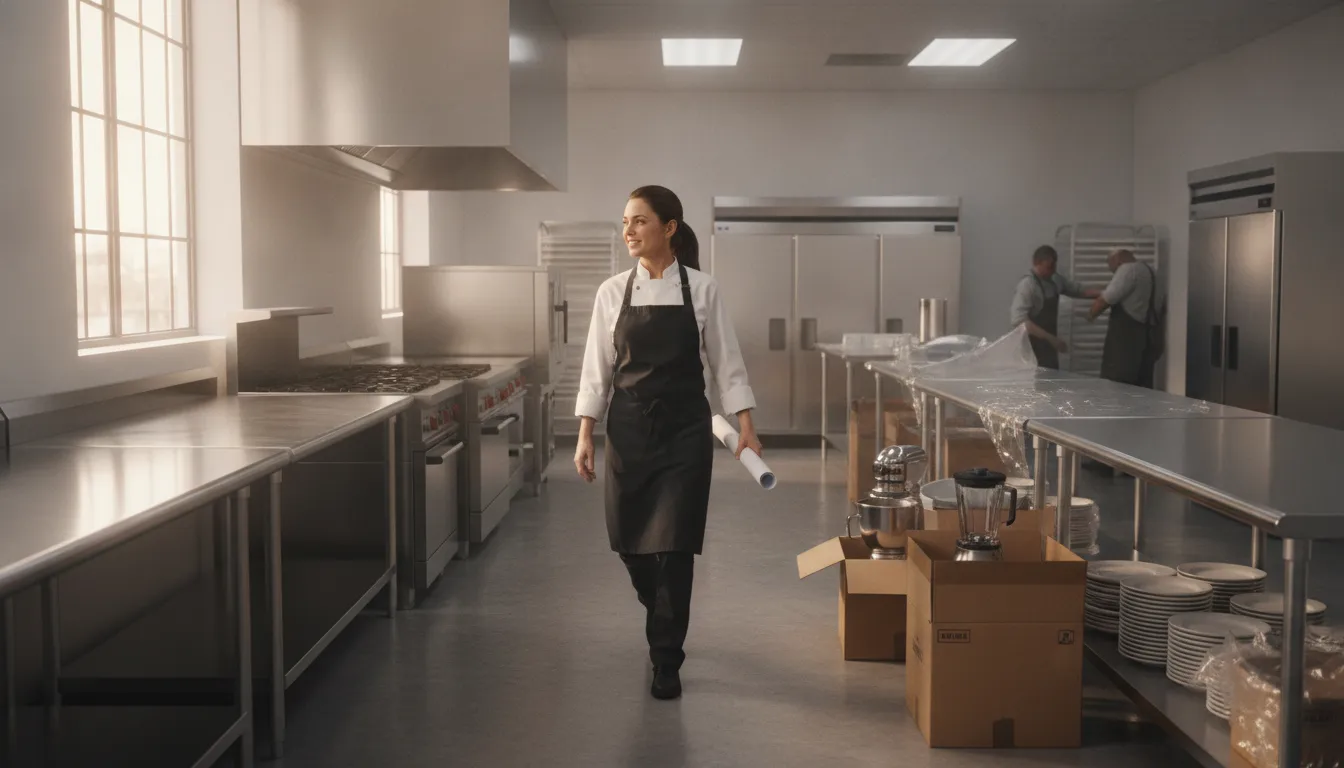
Storage decisions affect more than the shelving itself. The right depth, rack configuration, container mix, and delivery path depend on your menu, available utilities, room dimensions, and planned production volume. HRS serves Rochester-area foodservice operators with commercial kitchen equipment, supplies, delivery support, and kitchen-design expertise.
If you are opening, renovating, or reorganizing a kitchen, review HRS kitchen services and bring a measured floor plan, a list of stored items, and a typical delivery to the conversation. The HRS team can help you identify where storage is slowing the operation and which improvements should come first.
Frequently asked questions
What belongs on commercial restaurant shelving?
Use shelving for organized dry goods, ingredient containers, cookware, sheet pans, service items, and other supplies suited to the storage area. Keep food and supplies protected, labeled, and arranged so staff can inspect and remove them safely.
How deep should restaurant shelving be?
Choose a depth that fits the containers and pans you use without creating hidden, hard-to-reach space. Measure your largest regularly stored items and leave enough room for staff to remove them without disturbing the rest of the shelf.
How can shelving improve kitchen safety?
Well-planned shelving keeps supplies off the floor, reduces clutter on work surfaces, makes spills easier to identify, and limits unnecessary traffic. It also gives staff a consistent place to return items after use.
Where can Rochester restaurant operators get help with storage planning?
Contact HRS for commercial storage planning. The local team can discuss your space, product mix, workflow, and next equipment or supply project before you order.